












For a Total No-Frost side-by-side refrigerator, routine manual defrosting is generally not required. Many homeowners still want to know how to respond if visible frost or ice build-up appears. In most cases, this is a sign that airflow, door sealing, temperature settings, usage habits, or the defrost system should be checked. Understanding how to maintain your refrigerator correctly can save time, prevent potential damage and maintain a healthy environment for your food.
Preparing to Check Ice Build-up
Before checking frost or ice build-up, start by turning the appliance off or unplugging it if the door will remain open for an extended period. This keeps the process safer and prevents the unit from trying to cool continuously while you are inspecting or cleaning it.
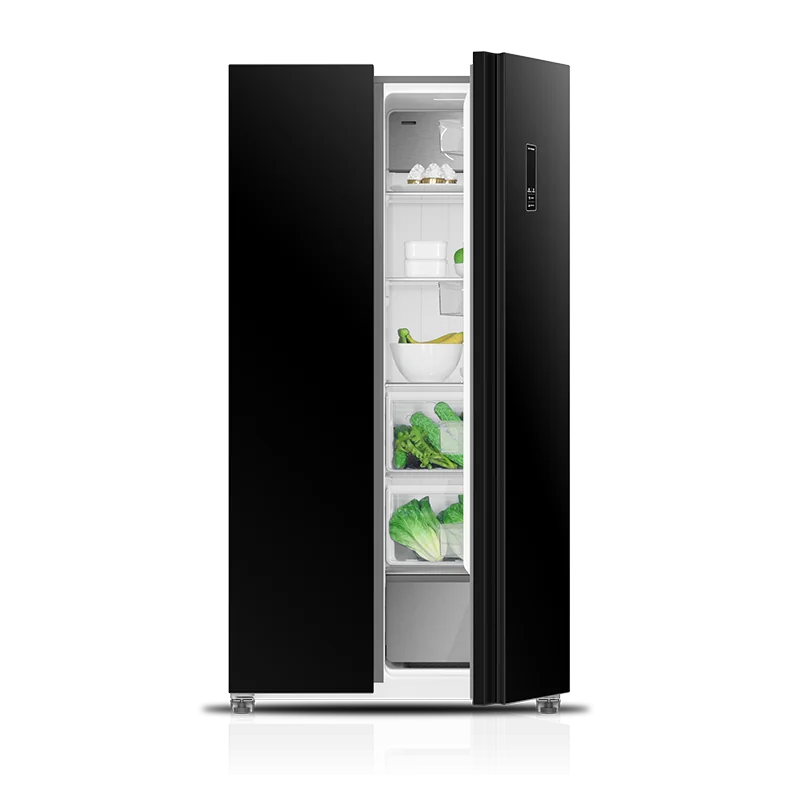
Next, remove food items from the affected compartment and store perishable items in a cooler to prevent spoilage. For models like the Homa Appliances FF2-80D, the spacious internal layout and smart convertible drawer can make temporary relocation and organisation easier.
If there is visible ice, place towels in the bottom of the freezer compartment to soak up melting water. This preparation step will minimise mess and make clean-up easier.
Safe Ice Removal
For Total No-Frost models such as the Homa Appliances FF2-80D, manual defrosting should not be treated as routine maintenance. If visible ice has built up, allow it to melt naturally after the unit is switched off, and use the process as an opportunity to check the likely cause.
Speed Up the Process: If there is significant ice build-up, you may place a bowl of warm water in the freezer compartment to help the ice melt more quickly. Do not pour hot water directly onto liners, sensors, vents, glass shelves or evaporator covers.
Avoid Sharp Tools: Do not use metal tools or force ice away from internal surfaces, vents or covers, as this may damage the appliance. If needed, use only a soft plastic tool gently after the ice has started to loosen.
Allow sufficient time for the ice to melt entirely. Rushing the process can lead to water pooling inside the refrigerator or freezer compartments. Regularly check the progress and soak up excess water with towels.
Cleaning and Restarting the Refrigerator
After the ice has melted, clean and dry the interior before resuming normal operation. Use a mixture of warm water and mild detergent to wipe down the surfaces in both the refrigerator and freezer compartments. Drying the area properly helps remove residual moisture and reduce the chance of mould growth.
Once cleaned, plug your refrigerator back in and allow it to reach the appropriate temperature before reintroducing your food. The Homa Appliances FF2-80D features an LED touch display that makes it easy to monitor and adjust settings, ensuring you achieve the desired temperature efficiently.
Before replacing food items, check whether the temperature settings are appropriate and whether modes such as Super Freeze or Holiday Mode should be turned off or adjusted. Finally, organise food items so that air vents remain clear.
Ensuring Longevity and Efficiency
In summary, a Total No-Frost side-by-side refrigerator should not require routine manual defrosting. If frost or ice appears, the priority is to remove it safely and then identify the cause so that the refrigerator can operate normally.
Recurring frost build-up should be treated as a sign to check the door gaskets, airflow vents, temperature settings, door-opening habits and, if necessary, the defrost system. Homa Appliances is dedicated to delivering quality features and designs that enhance your kitchen experience. By maintaining your appliance properly, you can enjoy its benefits for years to come. Embrace efficiency and modern design with Homa Appliances, ensuring your refrigerator remains a reliable asset in your home.