












Listen to the audio version of this article. Duration: 10 minutes.
The Revival of Craftsmanship in Global Design
Artisans become co-authors of the design projects, not only for their ability to shape, but also for their capacity to give meaning to products made directly by people for people. Today, craftsmanship is increasingly seen as the geo-cultural grammar that celebrates living materials, the human gesture and controlled imperfection, capable of creating authentic relationships.
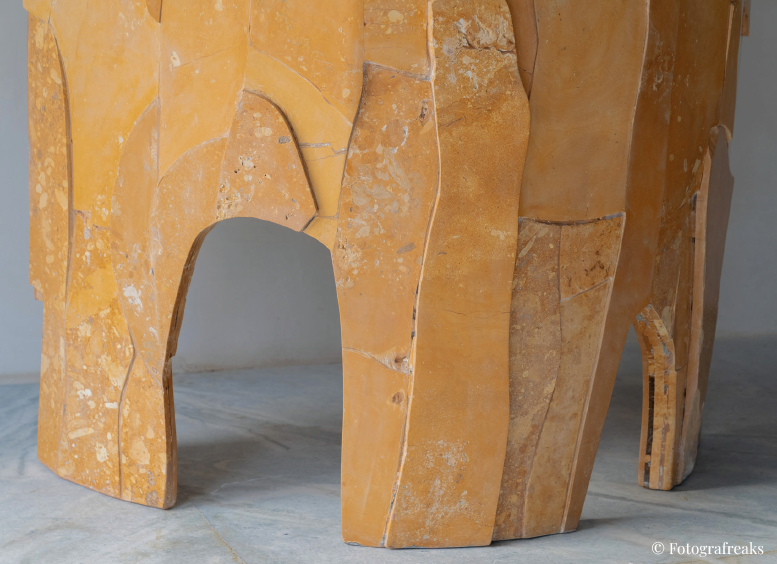
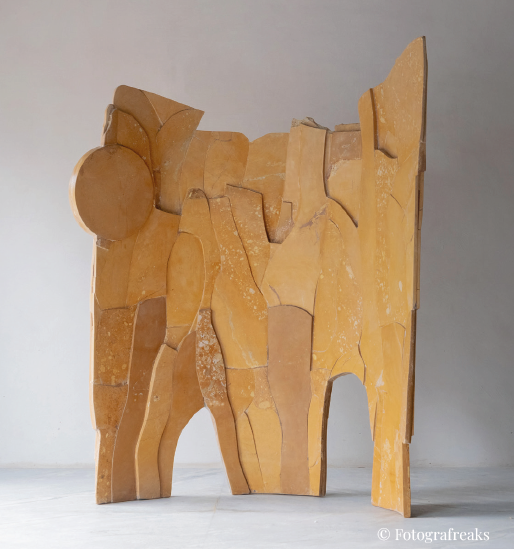
Raw Material
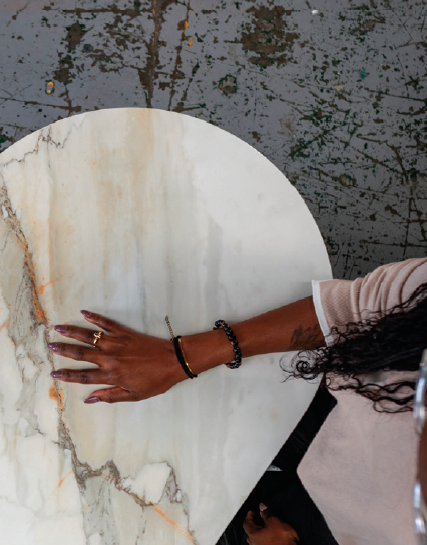
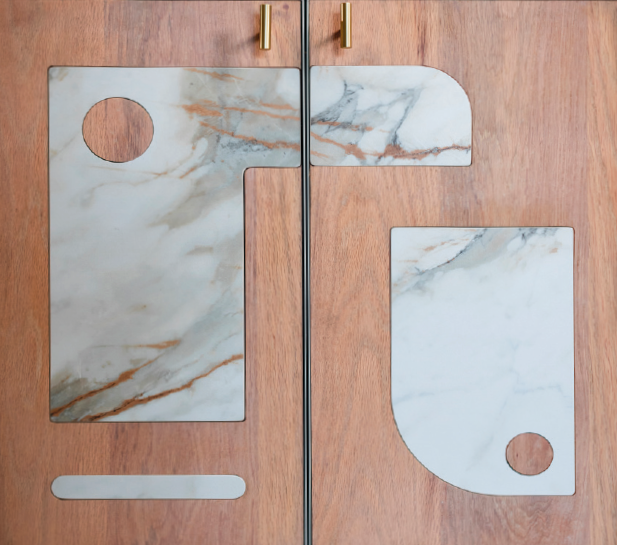
A sculptural series made in India, created using a subtractive method as a reflection of a landscape shaped by erosion and remodelled by human activity. Made from marble slabs salvaged from architectural sites, the pieces are composed to form sculptural screens, seats, benches and tables.
It has been described as the great experimental laboratory of design. At the heart of contemporary transformations, craftsmanship now holds a prominent place in high-end design, which is rediscovering a dimension long considered secondary. This is not a nostalgic approach or a purely decorative aesthetic. Today, craftsmanship re-emerges as a design code that restores meaning, proximity and cultural connection to the experience of living.
A revival perfectly aligned with the emerging paradigm of empathy. In a time marked by environmental crises, social instability, and perceptual disorientation, empathetic design presents itself as a cultural, ethical, and sensorial response. It does not merely shape functional forms; it builds relationships, listens to people’s deeper needs, and honours the memories of places and materials.
In this dimension, craftsmanship thrives, expressing the very best of itself. It becomes far more than a production technique, it stands as a form of listening, a geo-cultural grammar, a relational medium between designer, maker, and user. Craftsmanship reveals the essence of a product made directly by people for people. It speaks of encounters and physicality. It also speaks of resilience, because such unmediated process is no longer just a technical act, but a gesture of humanity charged with tactile, temporal, and cultural values.
Craftsmanship in design demonstrates the contemporary global urgency to create relationships, experiences, and meanings through a local lens. It redefines the concept of glocal because, by nature, it can absorb cultural changes while remaining faithful to its original core in tradition. In this way, it speaks to both the senses and identities both functional and emotional, allowing the concept of ‘use’ to unfold in all its dimensions.
As Richard Sennett wrote in The Craftsman, the hand is not the extension of the mind, it IS the mind, for it can think. Moreover, artisans work in long timeframes, engaging with the material in all its physicality, embracing and elevating imperfection. They can therefore become co-authors of the project, far removed from the logic of standardised, ephemeral consumption, offering a perspective that closes the gap between designer and user.
For all these reasons, when craftsmanship meets empathetic design, it generates not only objects but also visions, relationships and cultural exchanges. It can: resist industrial standardisation; restore dignity to material micro-cultures; and revive sustainable,
inclusive local economies.
As Isabel Valdés wrote in Cuadernos de Diseño 4, this approach “calls for, more than a technological revolution, a cultural revolution. What truly changes is not so much the object we consume, but the way we consume it. (…) If the last revolution was the mass production of millions of perfect, identical products with rigorous quality control and standardisation, this new revolution produces fewer objects, each marked by individuality and originality. It is the birth of the workshop, not the factory, sustained and developed through social networks. (…) This new form of creation decentralises the means of production themselves. Designers can continue creating for their traditional consumers but, rather than selling the rights to major manufacturers or relying on them for production, they can now work independently and autonomously. The democratisation of design and production tools makes it possible to reconsider existing projects and to offer new, unique products capable of quickly adapting to individual contemporary needs. (…) Today, design and production stem from a culture of participation. By looking at how creative people design and make objects, we see that the new revolution is emerging through interaction between communities.”
Neither nostalgic nor merely decorative, craftsmanship today re-emerges as a design code that restores meaning, closeness and cultural connection to the experience of living.
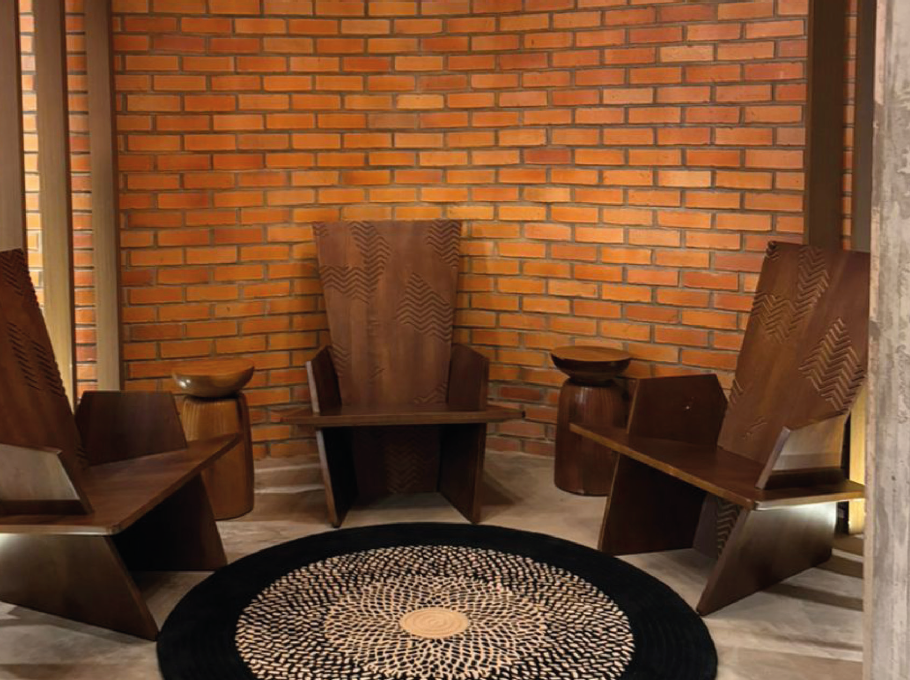
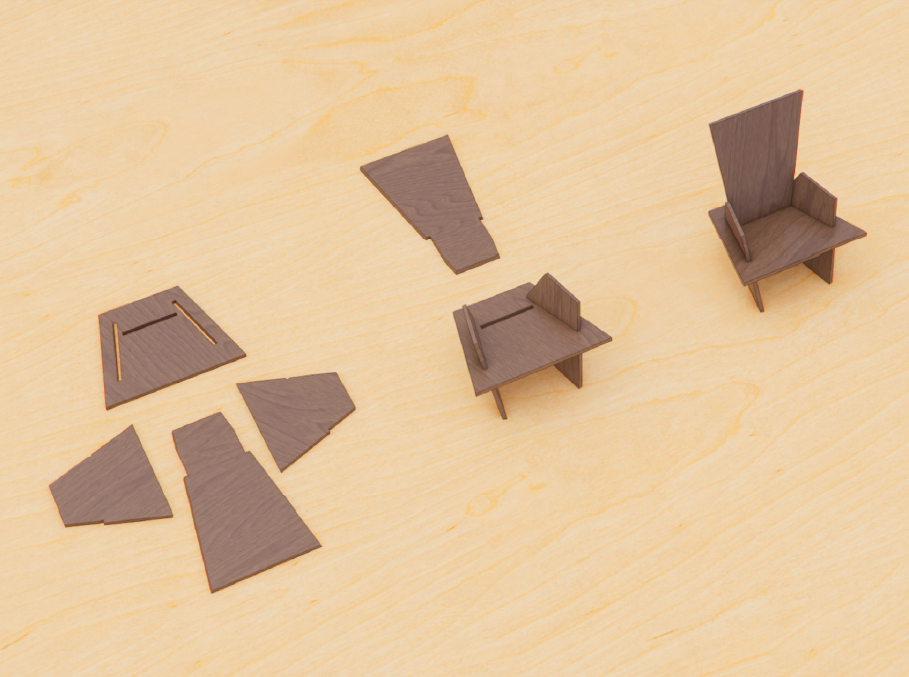
This chair draws inspiration from the traditional African birthing chair as well as the regal thrones of northern Nigeria. The archetypal form is reinterpreted with four intersecting planks. No screws, no nails, no fasteners: only the weight of gravity and the precision of the cut.
Geo-cultural perspectives from Asia
In the Asian context, the craftsperson often absorbs and reflects geo-cultural specificities. Here, the relationship between craftsmanship and design is rooted not in breaking away from industry but in continuity with ritual gestures, the centrality of tradition, and an empathy that seeks collective harmony and coherence with the cosmos rather than individual expression.
This is why empathetic design in Asia does not shout but whispers, revealing itself in meticulous detail, attentiveness to material, the disciplined repetition of a gesture, and the idea that every object holds a fragment of a shared world.
At the 2025 Salone del Mobile in Shanghai, a new generation of Chinese designers emerged, blending traditional local knowledge with contemporary languages to create objects that narrate tradition, bringing it into the present. The PINWU studio in Hangzhou, for example, collaborates with rural artisans to create collections that reinterpret natural materials. In South Korea, the Shift Craft project is an intergenerational laboratory that encourages dialogue between renowned master artisans and contemporary designers. Each object becomes a witness to an invisible continuity, born from empathy for another’s skill and for the material itself. Korean visual culture is deeply shaped by a tactile and ritual sensitivity, where aesthetics are built not on spectacle but on slow gesture, measured rhythm and the tension between emptiness and fullness.
In Japan, craftsmanship has always carried a philosophical dimension. Techniques such as kintsugi or urushi (lacquerwork) are not simply technical acts but practices that invite introspection. Handmade objects such as tea bowls, paper lanterns and tatami furnishings have been described as cultural interfaces, expressing silence, balance, sobriety and endurance.
In India, craft traditions are linked to many local communities and castes. Studios like Studio Raw Material, based in the western desert plains, use discarded materials to explore social and economic issues, creating objects that are also artworks and sculptures in their own right.
In all these contexts, craftsmanship is more than making; it is a form of cultural belonging and shared storytelling. Empathetic Asian design builds on these legacies with respect, staying true to local traditions while creating objects that carry memory, highlight the value of materials and accompany daily life with quiet presence.
A design passage to Africa
“Until the lions have their own historians, the history of the hunt will always glorify the hunter.” This Nigerian saying reflects the position African design has held for too long, consigned to the darkest corner of the room. Today, however, Africa is a continent reshaping global geopolitical scenarios.
In this shifting context, the artisan shows that design is not a souvenir but part of the continent’s centuries-old visual culture, rich in symbolism and deeply connected to the natural environment. Many contemporary designers build on these roots, reinterpreting traditional elements within a modern aesthetic.
This has been described as “informal design”, characterised by flexibility, spontaneous creativity, and the use of local and recycled materials, reflecting daily life, traditions, and available resources. It should not be confused with mere simplicity, but rather associated with hospitality and authenticity. Intertwined with this informality is hackability, the recovery, transformation, and repurposing of objects.
Grounded in its artisanal dimension, African design is centred on humanity, sustained by a strong sense of community. Though its origins may lie in necessity, production often becomes an opportunity to redefine use, for example through innovative materials or purpose-built techniques.
Although design is only partly recognised as a profession in many African countries, craftsmanship reveals Africa not as a monolith but as a diverse creative force, nourishing cultural identities and driving sustainable innovation. In this context, craftsmanship plays a vital role, materialising stories, symbols and spirituality, and shaping the identity and meaning of communities.
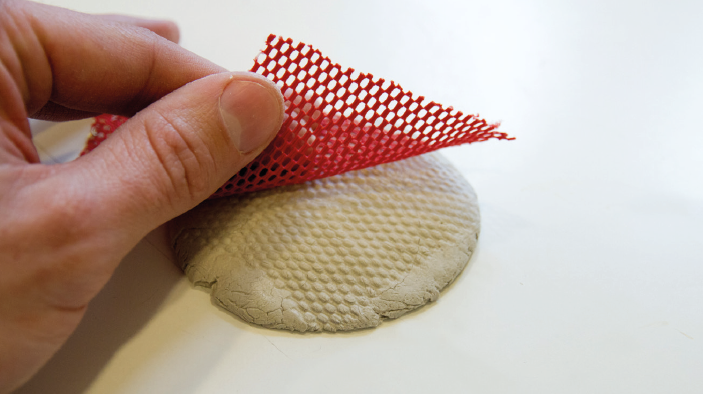
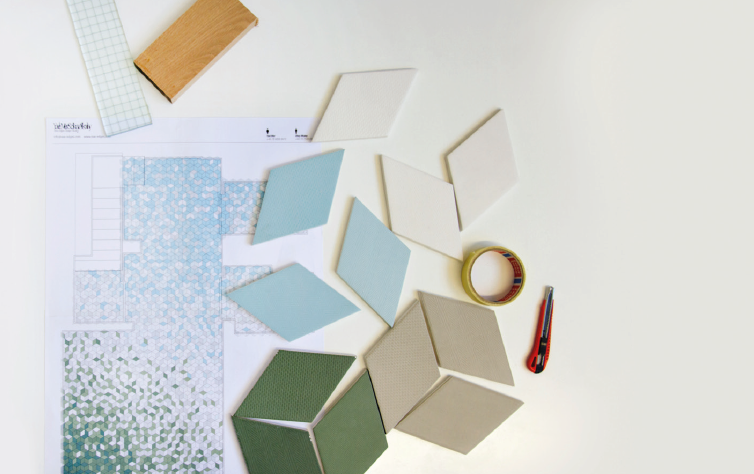
Raw Edges: Mutina Tex, Mutina Tape and Mutina Folded
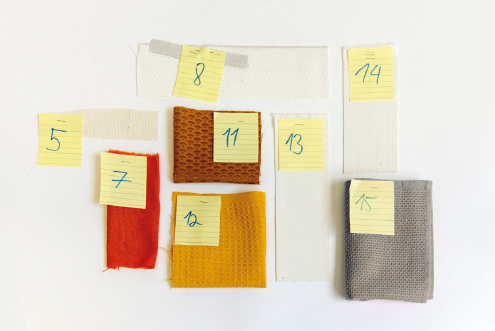
Raw Edges, now part of the Mutina team, brings its craft sensibility to the Tex tile collection inspired by textiles. It was conceived by collecting every kind of texture through impressions in plasticine. The diamond-shaped tiles are an enlarged version of a basic knit pattern. The Tape collection for Mutina features colourful graphics applied to two base surfaces, one white and one black, creating different atmospheres within the same space.
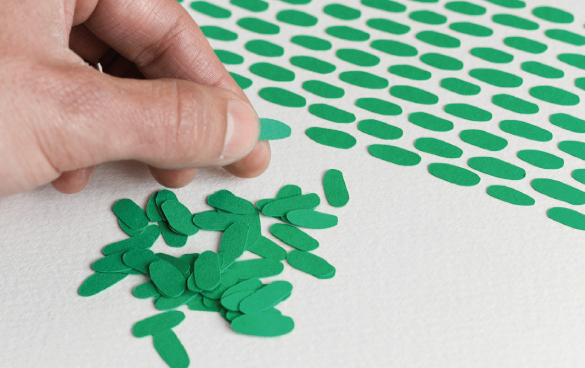
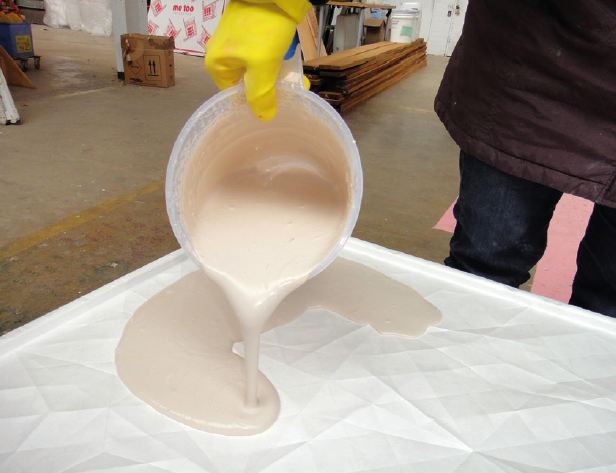
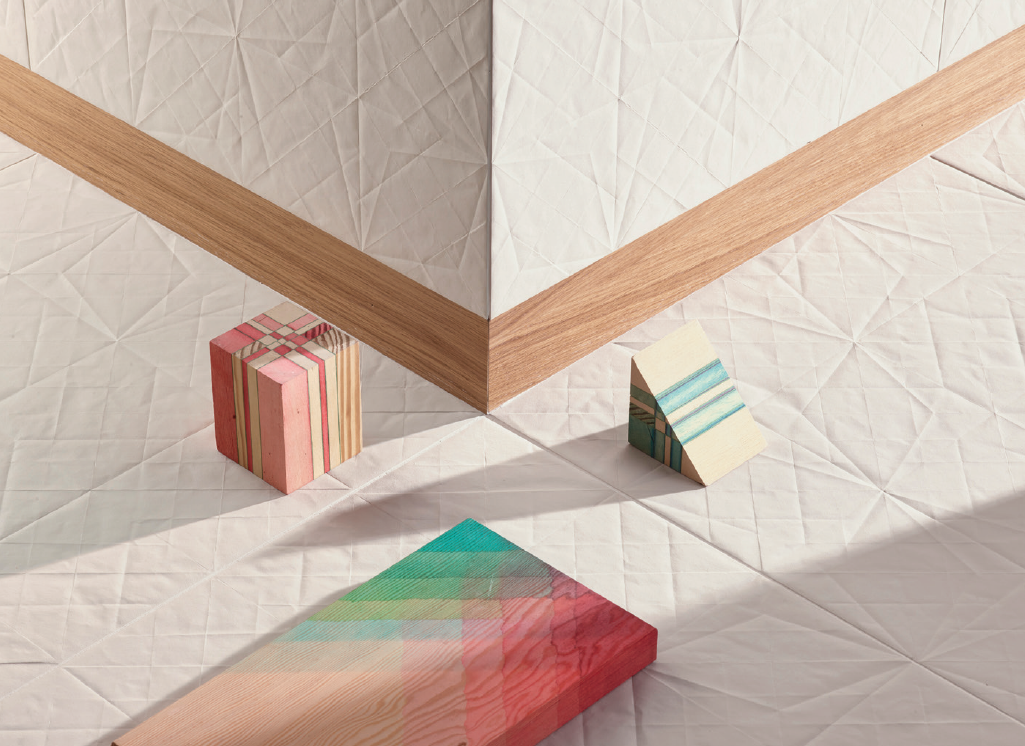
The Folded collection for Mutina, also by Raw Edges, turns paper into ceramic, taking inspiration from the tiles commonly found in apartments of the 1950s and 1960s
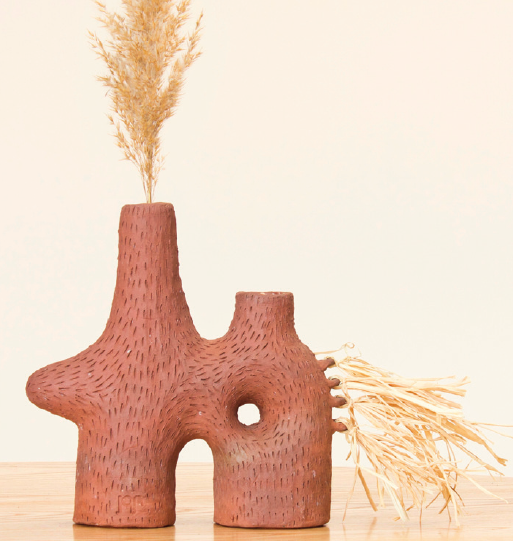
In all these contexts, craftsmanship is more than making; it is a form of cultural belonging and shared storytelling.
Urban Native
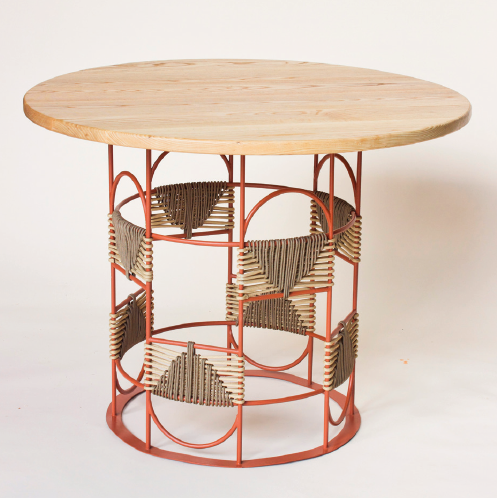
Produced using local craft methods, the designs by The Urban Native tell African stories through functional objects, exploring materials and technologies with a primary focus on sustainability. Every piece is designed and made in South Africa.
The Western take
In the Western view, empathetic artisanal design is often a reaction against mass production and the anonymity of global design. It is driven by a desire for uniqueness, slowness and lasting quality, as well as a search for meaning through local identity, cultural context and material sustainability.
Many design studios are rediscovering craftsmanship as a critical and narrative act, a way to highlight the relational and territorial dimensions of a project. In a time marked by radical environmental, technological and perceptual change, design can no longer respond solely with elegant forms or functional solutions. It is called to do more: to care. Care for those who inhabit spaces. Care for those who make objects. Care for the territories that host us. Care for the senses, cultures and gestures that risk being forgotten.
In this scenario, the rediscovery of craftsmanship is not a return to the past but a path of design evolution, one that reconnects design to real life, to bodies, communities and narratives. It is a form of sensitive and generative design that respects differences without abandoning international ambition. This can be seen in independent productions, new galleries dedicated to contemporary design, and companies working closely with artisans while honouring traditional techniques and craftsmanship.
Copyright © Homa 2026
All rights reserved