












Choosing the right refrigeration equipment requires more than checking storage capacity. Buyers need to evaluate product structure, energy performance, temperature control functions, and application requirements before making a decision. For distributors, retailers, and appliance brands, understanding product features helps create suitable refrigeration solutions for different markets.
When considering what features you should consider when choosing a chest freezer, it is important to evaluate how design elements influence daily operation and long-term performance. A well-designed chest freezer should provide practical storage space, stable cooling performance, and functions that match different user requirements. At Homa Appliances, we focus on refrigeration manufacturing and ODM cooperation, helping global partners develop products based on market needs and application scenarios.
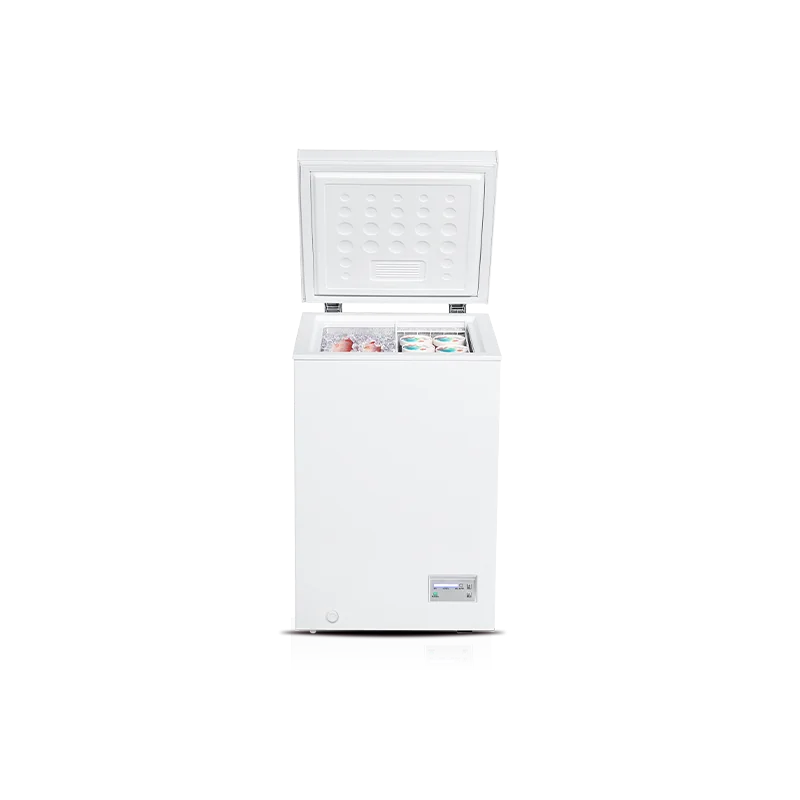
Storage Capacity and Internal Structure
Storage capacity is one of the first factors buyers consider when selecting a chest freezer. Different customers may require different storage volumes depending on household usage, commercial needs, and available installation space. A compact model can be suitable for locations with limited space, while larger models may support businesses that need more frozen storage.
The internal structure also affects how efficiently users can organize stored items. Chest freezers usually provide a horizontal storage layout, allowing large quantities of frozen products to be placed inside. Features such as storage baskets can separate frequently used items from products stored deeper inside the cabinet, making them easier to access.
For manufacturers and distributors, capacity planning is not only related to product size but also connected with transportation, installation, and market positioning. Different regions may have different expectations for freezer dimensions and storage functions, requiring manufacturers to consider local application environments during product development.
Temperature Control and Cooling Performance
Stable temperature control is another important consideration when selecting refrigeration equipment. A chest freezer needs a reliable cooling system that can maintain suitable conditions for frozen storage. Compressor performance, insulation materials, and temperature management systems all influence how the product operates.
Modern chest freezers often include electronic control features that allow users to adjust temperature settings more conveniently according to different storage requirements. These functions can support easier operation and help users select suitable settings for different storage conditions. The refrigeration system and cabinet design should work together to support consistent temperature performance.
The refrigeration system includes multiple components, such as the compressor, condenser, evaporator, and control system. These parts work together to transfer heat and maintain the internal temperature. Understanding these basic design factors helps buyers evaluate product quality more effectively.
Energy Efficiency and Operating Considerations
Energy efficiency has become an important factor in refrigeration product selection. Since freezers often operate for extended periods, energy performance can influence overall operating costs. Buyers should review energy classifications and product specifications according to regional standards before making purchasing decisions.
Manufacturers need to balance cooling performance with energy requirements during product development. Insulation thickness, compressor selection, and system optimization all contribute to efficient operation. A suitable product design should provide reliable freezing performance while considering energy consumption.
For international markets, energy regulations may vary between regions. Refrigeration suppliers need to understand these differences and provide configurations that meet specific market requirements. This flexibility is especially important for OEM and ODM cooperation projects.
Practical Features for Different Applications
Different chest freezer applications require different product functions. Household users may focus on storage convenience and simple operation, while commercial users may pay more attention to capacity, durability, and continuous performance.
The BE1-100 chest freezer from Homa Appliances demonstrates how practical features can support daily refrigeration needs. The model is designed with functions including electronic control, power indicator, super freeze, single-speed compressor operation, and an optional storage basket.
Electronic control allows users to adjust temperature settings more conveniently according to different storage requirements. The power indicator provides a clear operating status reference, while the Super Freeze function is designed to support faster freezing of newly added food. The single-speed compressor operates by switching on and off according to the internal temperature of the freezer, providing a conventional refrigeration solution compared with inverter compressor systems that adjust compressor speed based on cooling demand. The optional storage basket improves internal organization by providing easier access to frequently used items.
These features show how chest freezer design combines cooling technology, storage organization, and user convenience. For appliance brands and distributors, selecting products with suitable configurations can help meet different customer expectations.
Product Design and Manufacturing Support
Beyond individual features, the manufacturing process also influences refrigeration product quality. Material selection, assembly procedures, quality inspections, and production management all contribute to consistent product performance.
At Homa Appliances, we provide refrigeration manufacturing and ODM cooperation for international partners. Our product development process considers customer requirements, market trends, and production capabilities. By combining engineering knowledge with manufacturing experience, we support partners in creating refrigeration products suitable for different markets.
ODM cooperation provides flexibility in areas such as product specifications, appearance design, functional configurations, and market positioning. This allows appliance brands to develop products that match their target customers while benefiting from professional refrigeration manufacturing experience.
Making Better Chest Freezer Selection Decisions
Understanding what features should you consider when choosing a chest freezer helps buyers evaluate refrigeration products from multiple perspectives. Storage capacity, temperature control, energy efficiency, practical functions, and manufacturing quality all influence the final product choice.
A suitable chest freezer is not defined by a single feature. Instead, it should match the intended application, available space, storage requirements, and regional market expectations. For businesses selecting refrigeration products, accurate product information and reliable manufacturing support are important parts of the decision-making process.
Through refrigeration expertise and ODM capabilities, Homa Appliances continues to support global partners with practical freezer solutions. Products such as the BE1-100 combine functional design with configurations suited to different application environments.