












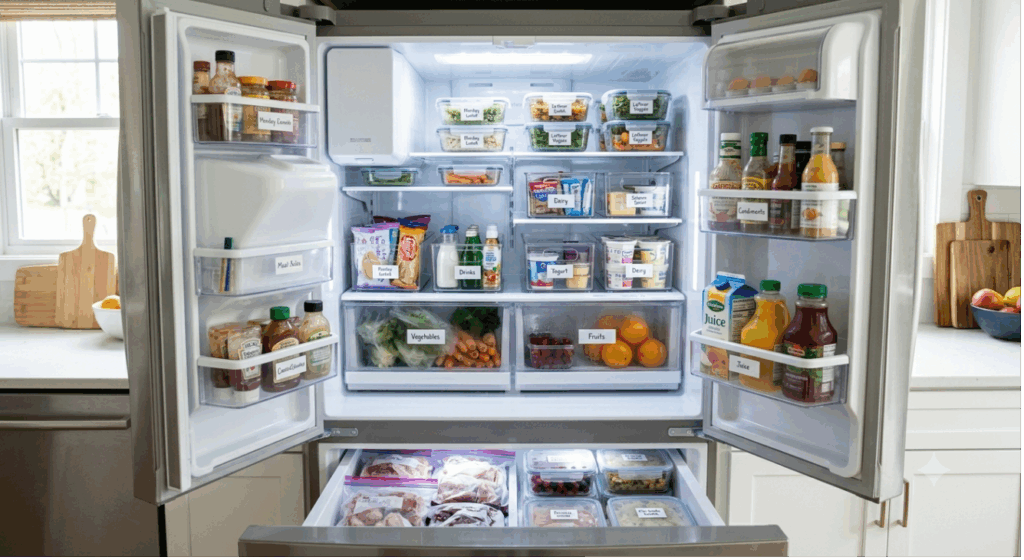
A messy refrigerator can turn meal prep into a frustrating experience. Leftovers get buried behind milk cartons, fresh vegetables wilt unnoticed in drawers, and grocery trips often result in buying duplicates. Using simple refrigerator organisation ideas, you can keep your fridge clean, reduce waste, and make everyday cooking much easier. With the right strategy and a few smart habits, you can transform your fridge into a space-efficient, easy-to-navigate kitchen assistant.
Why Organising Your Refrigerator Matters
Keeping your refrigerator organised is not only about making it look clean; it also helps save food, reduce waste, and make meal preparation easier. According to the UN Environment Programme, households are responsible for 60% of food waste globally, amounting to over one billion meals wasted every day[1]. By arranging your fridge efficiently—placing items in the right zones, using containers and labels, and rotating foods—you can significantly cut down on spoiled food, minimise waste, and enjoy quicker access to ingredients when cooking. An organised refrigerator ultimately contributes to a more sustainable household while streamlining daily meal prep.
How to Organise a Refrigerator by Zone
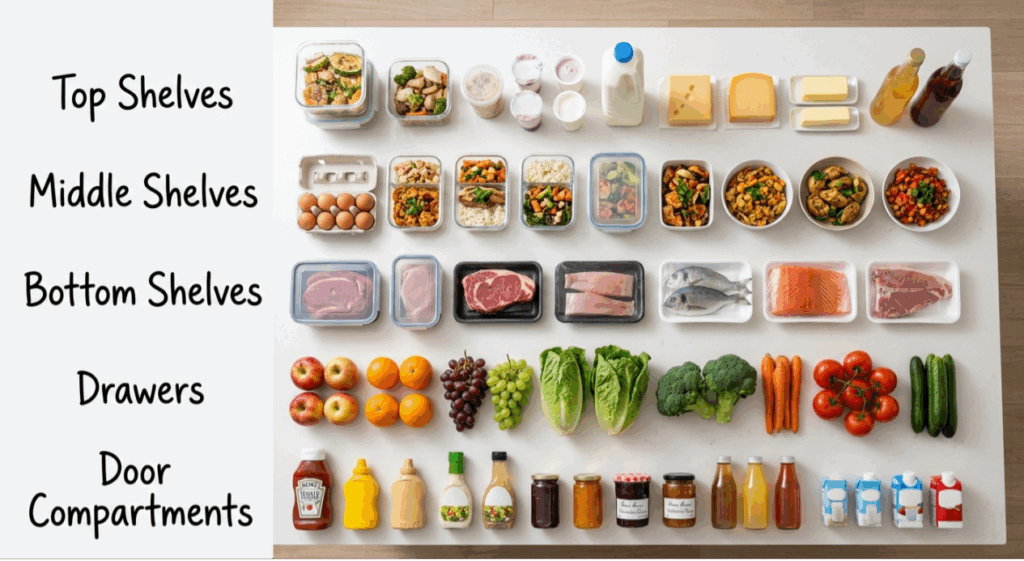
Refrigerator organisation works best when you think in zones, placing items according to their cooling needs:
Store ready-to-eat foods like leftovers, dairy, and beverages. Keeping these items within easy reach saves time during busy mornings.
Items requiring moderate cooling, such as eggs and prepared meals, belong here.
Always keep raw meat and fish in sealed containers to prevent cross-contamination.
Use crispers for fruits and vegetables, which maintain proper humidity for longer freshness.
Ideal for condiments, sauces, and drinks that can tolerate slight temperature fluctuations.
Organising your fridge by zones ensures both safety and convenience, making it easy to locate ingredients when you need them.
Use Containers and Labels for Refrigerator Storage
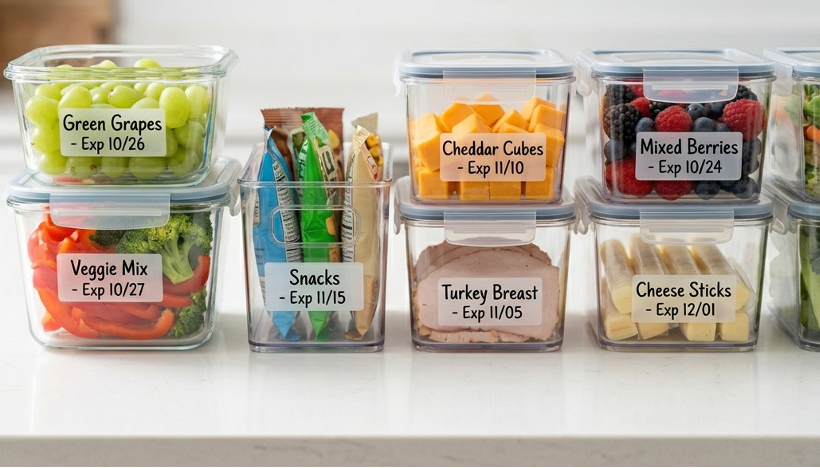
Clear containers and small bins help transform chaos into order. Stackable containers work well for chopped fruits, vegetables, and snacks, while smaller bins keep cheese, deli meats, and packets neatly together.
Adding labels with content and expiration dates not only reduces waste but also speeds up meal prep. By combining containers with proper labeling, you create a fridge that’s both functional and easy to navigate. These refrigerator storage ideas are simple yet highly effective for daily use.
Maximise Space with Shelves and Drawers
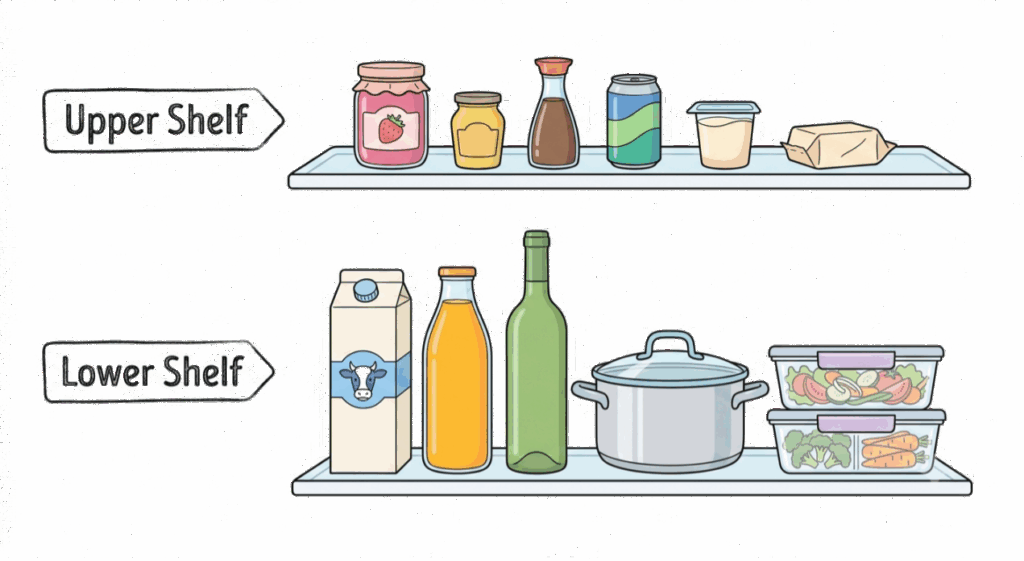
To make the most of your fridge, adjust shelves to accommodate tall bottles, platters, or bulky groceries. Pull-out drawers offer flexible storage and quick access to items without creating clutter.
Door shelves are perfect for smaller items, such as sauces or drinks, keeping them within reach while freeing up main shelves. Thoughtful shelf placement allows you to store more items efficiently without overcrowding.
Regular Maintenance and Cleaning
Even a well-organised fridge requires routine upkeep. Wipe down shelves and drawers weekly to remove crumbs and spills, rotate items so older foods are used first, and check expiration dates regularly.
Keeping up with maintenance prevents odors, preserves freshness, and ensures your refrigerator continues to operate efficiently.
Additional Fridge Organisation Ideas for Everyday Use
Beyond zones and containers, small habits can make a big difference:
- 1Keep frequently used foods at eye level for easy access.
- 2Group ingredients for the same meal together to streamline cooking.
- 3Avoid overcrowding shelves, which allows proper airflow for consistent cooling.
- 4Review your fridge before grocery shopping to prevent buying duplicates.
These fridge organisation ideas make your kitchen workflow smoother and reduce food waste over time.
Discover Homa Multi-Door Refrigerators
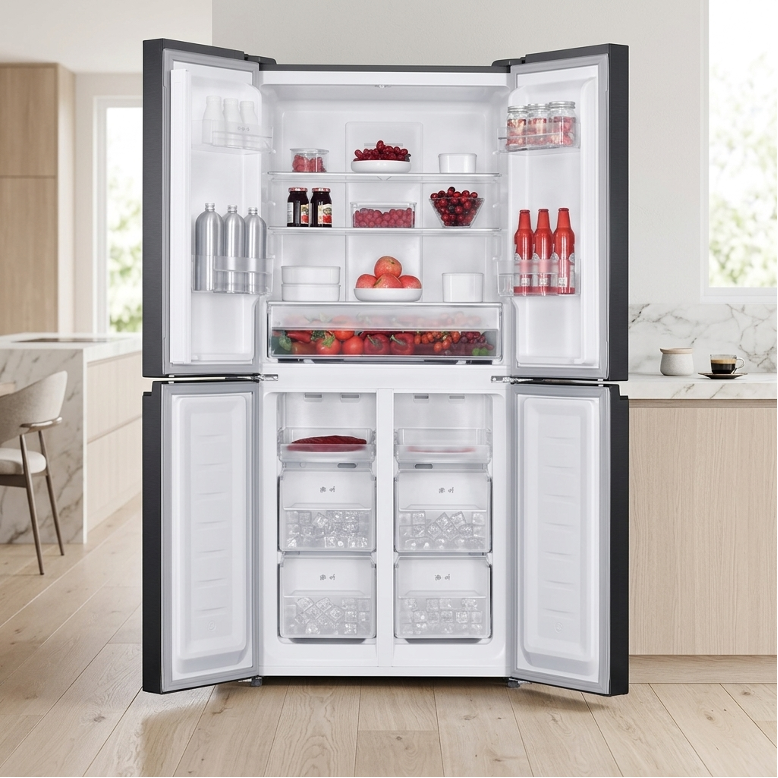
For those looking to take organisation further, Homa refrigerators offer practical solutions. The Space Master – No Frost Cross 4 Door is a multi-door fridge freezer designed for maximum flexibility:
- Multiple compartments allow clear separation of different food types.
- Smart, adaptive storage makes it easier to implement all your refrigerator organisation ideas.
- Adjustable shelves and spacious drawers create a customizable layout to fit your groceries and lifestyle.
With the right appliance, keeping your fridge organised becomes effortless, helping you maintain freshness and efficiency every day.
Conclusion
Mastering how to organise your refrigerator doesn’t have to be complicated. By zoning your fridge, using containers and labels, maximising space, and practicing regular maintenance, you can create a kitchen environment that’s clean, efficient, and enjoyable. Combined with a versatile refrigerator like Homa’s multi-door models, these strategies help ensure that every ingredient is visible, accessible, and stays fresh for longer. Learn more about Homa refrigerators and explore how our innovative designs can transform your kitchen.
References
[1] UN Environment Programme. “Food waste in focus as the world marks the International Day of Zero Waste.” UNEP, 30 Mar. 2026, https://www.unep.org/news-and-stories/press-release/food-waste-focus-world-marks-international-day-zero-waste. Accessed 12 2026.