












An ice maker can be a useful refrigerator feature, but maintenance requires attention to its water supply when the appliance connects to household plumbing. Whether you are investigating a leak, replacing a component or moving the refrigerator, shutting off the correct supply helps reduce unwanted water flow. First, confirm how the ice maker receives water.
Knowing how to turn off water to refrigerator systems is useful when preparing a connected appliance for maintenance. However, not every ice maker requires an external water line. Checking the refrigerator’s user manual helps establish the correct procedure before work begins.
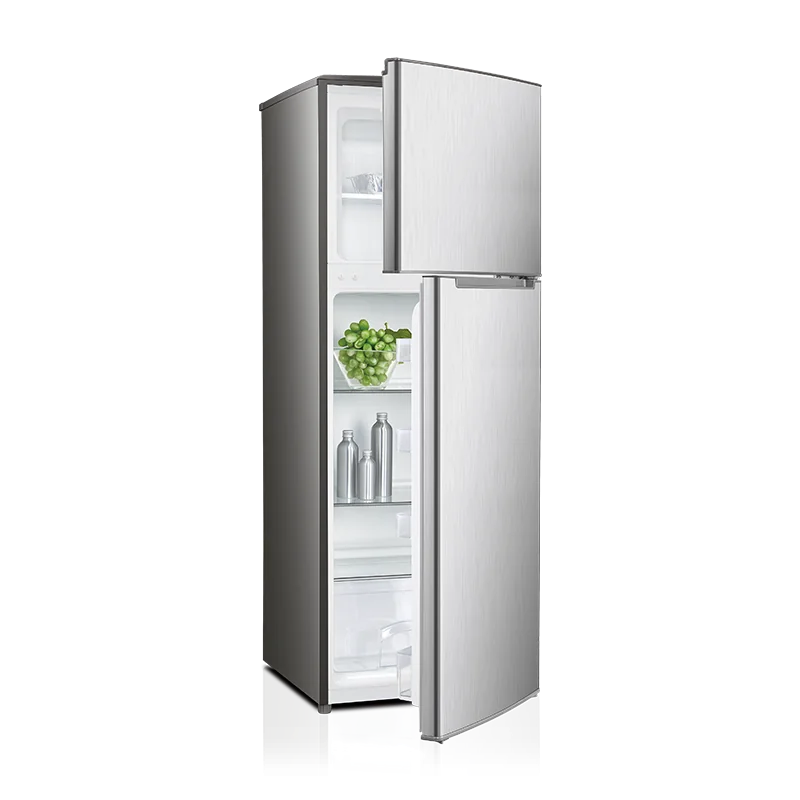
Identify the Water Supply Connection
Check the user manual and inspect the installation where accessible. If the refrigerator has an automatic ice maker or water dispenser, confirm whether it connects to the household plumbing. The presence of an ice-making feature alone does not prove that an external water connection is required.
The shut-off valve may be behind the refrigerator, beneath the sink or inside a nearby cabinet. Its location depends on the plumbing arrangement. If you cannot identify the correct valve, avoid disconnecting the tubing or operating unfamiliar fittings. A qualified plumber can help identify the supply safely.
Switch Off the Ice Maker First
Once you have confirmed the water connection, switch off the ice maker according to the manufacturer’s instructions. Depending on the model, its control may be electronic or mechanical. Do not force a switch or lever if its operation is unclear.
Switching off the ice-making function before closing the supply valve is a practical precaution unless the manufacturer specifies another sequence. If maintenance involves electrical components, follow the service instructions for isolating the power supply as well. Turning off the water does not remove electrical hazards.
Close the Correct Water Valve
Identify the valve type before operating it. Some installations use a quarter-turn ball valve, while others have a handwheel or another mechanism. Follow the valve’s markings or instructions rather than assuming all designs operate in the same way.
A typical quarter-turn ball valve closes by rotating its handle 90 degrees. If a valve is stiff, corroded or damaged, do not force it, as this may cause damage or leakage. Seek professional assistance if the correct operation is uncertain.
For further guidance, Maytag’s refrigerator water-supply guide explains common shut-off valve arrangements. The correct procedure still depends on the plumbing installation and refrigerator instructions.
Manage Water Remaining in the Line
Closing the valve stops incoming water, but some water may remain in the tubing. Before opening a connection, place a suitable container and an absorbent towel underneath the fitting to collect residual water. This can help protect nearby cabinets, flooring and other kitchen surfaces from accidental splashes.
Follow the manufacturer’s instructions if the line needs to be depressurised. A water dispenser that stops flowing does not necessarily mean the entire system is empty, as water may remain in sections of the tubing or internal components. Allow for residual water when preparing the work area, and avoid opening connections until the supply has been safely isolated.
Handle tubing carefully, avoiding sharp bends, twisting or pulling that could damage the line or loosen its fittings. If a connector does not release normally, stop rather than forcing it. Where the connection is difficult to access or its design is unfamiliar, consult the appliance instructions or seek professional assistance before continuing.
Check the Connection Before Restarting
After maintenance, check that the tubing and fittings are correctly positioned and secured. Restore the water supply according to the manufacturer’s instructions, then inspect the connection points for leakage. If water appears around a fitting, close the supply again and resolve the issue before using the ice maker.
Restore power if it was disconnected, following the appliance instructions. Reactivate the ice maker using the specified controls and allow time for its normal operating cycle to resume. If the refrigerator also has a water dispenser, follow any required start-up or flushing procedure in the user manual.
Considering Ice-Maker Options for Different Markets
At Homa Appliances, we supply refrigeration products to international business customers, including wholesale buyers and partners developing products for their own markets. Our cooperation includes large-volume orders and ODM projects, where product configurations can be assessed against market requirements.
For refrigerators with automatic ice makers or water dispensers connected to household plumbing, water-supply requirements are an important consideration during product selection. At Homa Appliances, we support international wholesale and ODM customers in assessing product configurations, installation requirements and market-specific needs when planning their product ranges.
Our refrigerator product range includes different configurations, such as Combi-No-Frost, Side-by-Side and Multi-Door refrigerators. For wholesale and ODM projects, confirming ice-making requirements, plumbing provisions and target-market installation conditions can help buyers assess suitable options.
Knowing how to turn off water to refrigerator ice makers is useful before maintenance, but the correct procedure depends on the appliance and its water connection. Identifying the supply, following model-specific instructions, managing residual water and checking for leaks provide a practical approach to maintenance preparation.