












Strawberries are one of the most popular fruits worldwide because of their sweet flavour, delicate texture, and nutritional value. However, strawberries are also highly delicate and can spoil quickly if they are not stored correctly. Many consumers often search online for the best answer to how to store strawberries in the fridge in order to keep them fresh longer and reduce unnecessary food waste.
Unlike some fruits with thicker skins, strawberries are sensitive to moisture, temperature changes, and airflow conditions. Proper refrigeration plays an important role in maintaining their texture, taste, and freshness. As modern consumers become more focused on healthy eating and ingredient preservation, refrigerators with advanced food preservation technology are becoming increasingly important in daily life.
Today’s refrigerators are designed not only for cooling but also for maintaining ideal storage environments for different food categories. Advanced refrigeration systems help households organise fresh produce more efficiently while improving long-term food preservation.
Why Strawberries Spoil So Quickly
Strawberries contain high moisture levels and delicate skin, making them vulnerable to mould growth and rapid softening. Even small amounts of trapped moisture inside storage containers can accelerate spoilage.
Temperature fluctuations can also significantly affect freshness. When strawberries move repeatedly between warm and cold environments, condensation may develop on the fruit surface, creating ideal conditions for bacterial growth.
This is why proper refrigerator storage is essential for preserving strawberries. Stable cooling temperatures and controlled airflow help slow down spoilage while maintaining the fruit’s texture and flavour.
Food preservation experts generally recommend refrigerating strawberries shortly after purchase, especially during warm seasons. However, the storage method itself is equally important.
The Best Way to Store Strawberries in the Fridge
One of the most effective ways to preserve strawberries is to keep them dry before refrigeration. Washing strawberries too early can introduce excess moisture that encourages mould development.
Instead, consumers should:
- Remove damaged or mouldy berries immediately
- Store strawberries unwashed until ready to eat
- Use breathable containers or paper towel lining
- Maintain stable refrigerator temperatures
- Avoid overcrowding storage containers
Good airflow inside the refrigerator also helps maintain freshness. Modern refrigerators with multi-airflow cooling systems provide more consistent temperature distribution throughout different compartments.
Humidity management is another important factor. Excess humidity may soften strawberries too quickly, while extremely dry environments can cause dehydration.
This balance is why advanced food preservation refrigerators are becoming more valuable for modern households that prioritise fresh produce storage.
Interestingly, many consumers researching fruit preservation also search for related food storage advice such as can you put potatoes in the fridge. Both topics reflect growing awareness surrounding proper refrigeration practices and ingredient-specific storage needs.
Why Modern Refrigerators Matter for Fresh Food Preservation
Today’s refrigerators are far more advanced than traditional cooling appliances. Consumers now expect refrigerators to help keep food fresher for longer while supporting organised and efficient kitchen lifestyles.
Advanced refrigerator technologies commonly include:
- Multi-Air Flow cooling systems
- Independent cooling compartments
- No-frost circulation systems
- Humidity-controlled storage zones
- Inverter compressor technology
- Rapid cooling functions
These systems help maintain stable temperatures and reduce moisture fluctuations that may affect fruits and vegetables.
For delicate produce like strawberries, stable cooling conditions are especially important because temperature inconsistency can shorten shelf life quickly.
Combi refrigerators are particularly popular among modern families because they provide separate refrigeration and freezing areas while maximising storage convenience. This layout allows users to organise fresh produce, beverages, dairy products, and frozen foods more effectively.
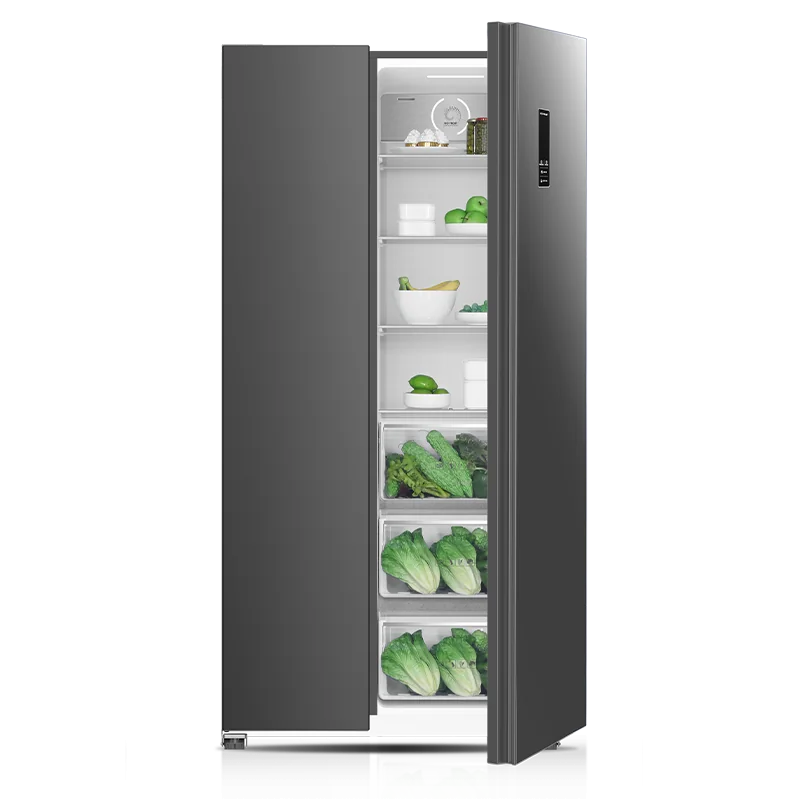
At the same time, Side-by-Side refrigerators continue growing in popularity because of their spacious design and flexible compartment organisation.
Large-capacity refrigerators are especially useful for households that purchase groceries weekly or store larger quantities of fresh ingredients.
Homa’s Advanced Refrigeration Solutions
For strawberries, refrigeration is not only about lowering temperature. The key is to limit moisture build-up, avoid sudden temperature changes, and keep cool air moving evenly around delicate produce. This is also where modern refrigerator design becomes more relevant to daily food storage.
Homa Appliances can be introduced from this fresh-produce perspective. Its Combi No-Frost refrigerators are designed with the fresh food compartment above and the freezer below, making frequently used fruits, drinks, dairy products, and vegetables easier to access during daily cooking and meal preparation.
According to Homa’s product information, its Total No-Frost Combi refrigerators combine Multi-Climate preservation zones, Metal Cooling, and Multi-Air Flow technology. For households storing strawberries and other sensitive produce, these functions support more stable internal conditions and more consistent air distribution across different compartments.
Homa Appliances also offers a wider refrigeration range, including Combi, Side-by-Side, Multi-door, Built-in, Upright freezer, Chest freezer, and other refrigerator platforms. This allows appliance partners to select layouts according to different household sizes, kitchen designs, and regional food storage habits.
Homa’s refrigeration solutions can be positioned around everyday ingredient care, helping families manage fruits, frozen foods, drinks, and prepared meals in a cleaner and more organised way.
Homa’s Global Manufacturing Excellence
Homa Appliances can also be introduced through its ability to turn different food storage needs into scalable refrigerator platforms. Homa as an experienced refrigerator manufacturer and exporter with more than 20 years of manufacturing experience, large-scale production capacity, and complete ODM solutions for global partners.
This background is important for appliance brands and retailers because refrigerator projects often require more than one product model. A partner may need Combi No-Frost refrigerators for family kitchens, Side-by-Side models for large-capacity storage, built-in refrigerators for integrated interiors, or freezer products for markets with higher frozen-food demand.
Homa’s product structure supports this kind of portfolio planning. Its official product pages cover multiple refrigerator categories and highlight international compliance requirements such as ErP, RoHS, LFGB, and REACH, which are relevant for brands preparing products for different regulatory environments.
From a business perspective, Homa’s value lies in matching manufacturing scale with adaptable product development. For global partners, this means refrigerator platforms can be planned around real consumer habits, including fresh produce care, weekly grocery storage, frozen food management, and modern kitchen organisation.
Final Thoughts
Understanding how to store strawberries in the fridge correctly is an effective way to keep them fresh for longer while reducing unnecessary food waste. Stable temperatures, balanced humidity, and proper airflow all contribute to better food preservation. To meet the needs of different households and markets, Homa Appliances provides a diverse portfolio of refrigeration products, including Combi, Side-by-Side, Multi-door, Built-in refrigerators, and freezers, combining practical storage with reliable freshness performance.