












Avocados are popular because of their creamy texture and nutritional value. However, many people are unsure about how to store them after purchase. The storage method can affect ripening speed, texture, and freshness.
Understanding the relationship between temperature and food preservation helps consumers make better choices for daily kitchen management. In this article, we explain do avocados go in the fridge and how refrigeration conditions can influence avocado storage.
Understanding Avocado Ripening Before Refrigeration
Avocados continue to ripen after being harvested. When they are placed at room temperature, natural processes help soften the fruit and develop its flavour. Unripe avocados usually need a warmer environment because low temperatures may slow down the ripening process.
For consumers who plan to eat avocados within a few days, keeping them outside the refrigerator can help achieve the desired softness. The key is to check the fruit regularly and move it to a cooler place when it reaches the preferred ripeness.
Once an avocado becomes ripe, refrigeration can help slow further changes. Lower temperatures reduce the speed of natural ripening reactions, which helps maintain the texture for a longer period. This is why many households choose refrigeration after the fruit reaches the right level of softness.
How Cold Storage Affects Avocado Freshness
The refrigerator provides a stable environment with lower temperatures compared with a kitchen countertop. Refrigeration can slow further ripening and quality changes after the avocado becomes ripe. However, proper storage also depends on how the avocado is prepared before being placed inside.
Whole ripe avocados can usually be stored in a refrigerator without cutting. For opened avocados, exposure to air may cause browning. Using suitable containers or protective wrapping can help reduce contact with oxygen and maintain appearance.
At Homa Appliances, we understand that food preservation involves more than temperature control. Storage conditions inside refrigerators, including airflow and temperature stability, are important factors that influence how different foods maintain their quality over time.
Do Avocados Go in the Fridge and What Storage Methods Work Better?
The answer to do avocados go in the fridge depends on the ripeness stage and when the fruit will be consumed. Unripe avocados are usually better kept at room temperature until they become soft enough to eat. Ripe avocados can be refrigerated to extend their usable period.
Different food types require different storage environments. A refrigerator with flexible storage areas allows users to organise fruits, vegetables, and other ingredients according to their needs. This approach supports more efficient kitchen routines.
Modern refrigeration systems focus on creating suitable conditions for various food categories. Features such as adjustable compartments and controlled cooling areas give users more options when arranging fresh ingredients.
The Role of Refrigerator Design in Food Preservation
Food preservation is closely related to refrigerator structure and cooling technology. A well-designed refrigerator needs to maintain consistent temperatures while providing convenient storage space. These factors help households manage different ingredients more effectively.
For example, separate storage areas can help users place frequently used items in accessible locations. Clear lighting also improves visibility, making it easier to identify stored food and reduce unnecessary opening times.
As a refrigeration manufacturer, Homa Appliances focuses on developing products that combine practical storage functions with daily user needs. Our experience in refrigerator manufacturing allows us to understand how different features support household food management.
Choosing Storage Features for Modern Kitchens
Modern families often store various fresh foods at the same time, including fruits, vegetables, dairy products, and prepared meals. Flexible refrigerator designs can help users create suitable spaces for different storage requirements.
Smart compartments are becoming a useful feature because they provide more control over organisation. Convertible drawers, for example, allow users to adjust storage areas based on different food preservation needs.
Good refrigeration is not only about keeping food cold. It also involves convenient operation, clear organisation, and suitable functions for everyday use. These details influence how consumers interact with their refrigerators.
How Homa Appliances Supports Practical Refrigeration Solutions
When developing refrigeration products, we focus on combining useful functions with reliable storage performance. Our products are designed for global markets through ODM cooperation, supporting different customer requirements and household preferences.
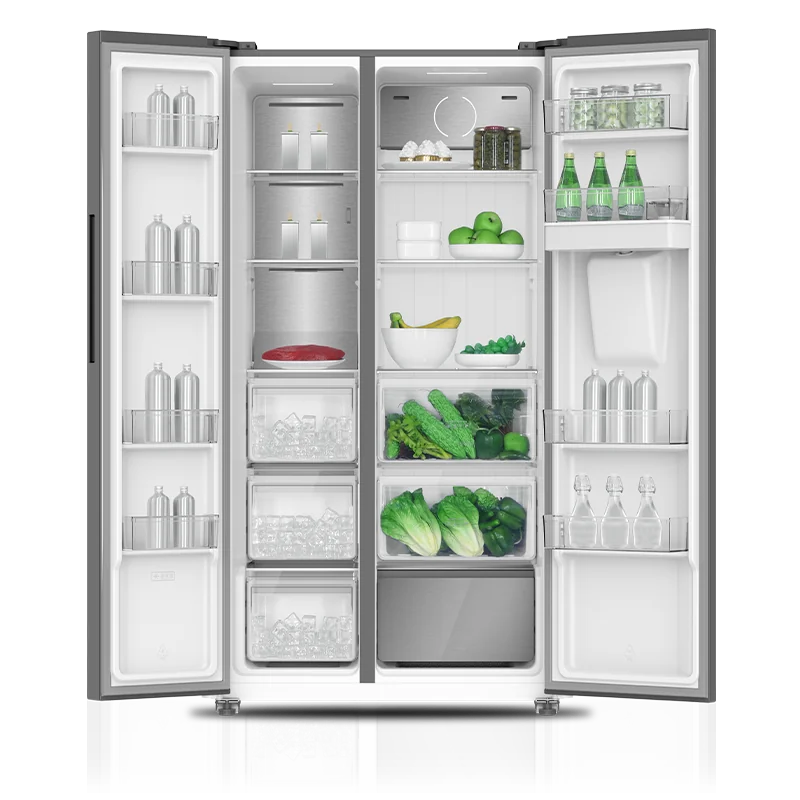
One example is our FF2-80D refrigerator model. It includes Total no-frost technology, LED touch display, and Clear sky LED lighting. These features support easier operation and clearer visibility during daily use.
The model also includes a Smart convertible drawer, Super freeze function, Holiday mode, and Child lock. These functions provide flexible storage options for different situations. By considering real household habits, we develop refrigeration solutions that support practical food preservation.
Better Storage Knowledge Improves Daily Food Management
Knowing how different foods respond to temperature helps consumers use refrigerators more effectively. For avocados, the right storage choice depends on their ripeness and expected consumption time.
Refrigeration is a useful method for slowing quality changes after ripening, while room temperature storage remains suitable during the early ripening stage. Understanding these differences helps reduce food waste and improves kitchen efficiency.
With continuous experience in refrigeration manufacturing, Homa Appliances continues to explore designs that support better food storage. Learning do avocados go in the fridge is a simple example of how storage knowledge connects with modern refrigerator functions.