












Moisture inside a chest freezer can lead to frost buildup, reduced efficiency, and potential damage to stored goods. For anyone relying on a freezer for long-term storage, knowing how to properly seal a chest freezer and make water tight is crucial. At Homa Appliances, our experience in designing and manufacturing refrigeration units gives us insight into the practices that extend appliance life and performance. A secure seal is the first defense against external elements.
The Critical Role of the Gasket Seal
The rubber gasket is the essential component responsible for creating an airtight and watertight closure in a chest freezer. Over time, this crucial seal can degrade, becoming worn, dirty, or misaligned. The process for how to properly seal a chest freezer and make it watertight begins with a thorough and meticulous inspection. Carefully examine the entire gasket for any permanent folds, cracks, brittleness, or tears that may have developed. A classic and simple functionality test involves closing the lid on a dollar bill at various points along the seal; if the bill can be pulled out without significant resistance, the seal’s integrity is compromised and needs attention. This critical barrier is the primary defense that maintains the stable internal climate necessary for long-term food preservation and energy efficiency.
Methods for Cleaning and Reshaping the Seal
A clean gasket seals more effectively. First, disconnect the unit. Use a gentle cleaner and a soft cloth to wipe the entire gasket, removing any sticky residues or debris. For slightly deformed seals, a method involving warm air from a hairdryer can sometimes help the rubber regain its shape and memory, allowing it to sit flush against the cabinet. Ensuring the mating surface on the cabinet rim is also clean and smooth is a step emphasized in our quality checks at Homa Appliances, reflecting our export-grade manufacturing standards.
When Maintenance Leads to Replacement
When thorough cleaning and precise reshaping fail to restore an ideal seal, replacement remains the dependable course of action. A compromised gasket inevitably loses its ability to fulfill its essential role. Procuring a manufacturer-approved replacement is critical, as it guarantees both exact dimensional fit and certified material integrity—factors that are indispensable for reestablishing a completely watertight condition. This emphasis on maintaining such key components reflects the deliberate design philosophy embedded in Homa Appliances products, which actively supports their durability and long-term usability for our customers.
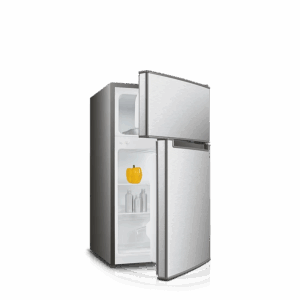
Achieving a reliable, watertight barrier on your freezer protects your investment and its contents. Regular maintenance of the seal is a practical aspect of appliance care. Following these steps ensures optimal, long-term operation. For units engineered from the start with durable specifications—such as our Homa model DF2-20—these practices seamlessly support the appliance’s built-in resilience. With a total net capacity of 151 liters thoughtfully divided into 112 liters of fridge space and 39 liters of freezer space, and backed by a New European Energy Class F/E rating, the DF2-20 is designed to deliver sustained, dependable performance for years to come.