












Freezer maintenance is an important part of keeping frozen food storage stable and making daily use more convenient. Ice buildup inside a freezer can reduce available storage space and may interfere with normal use. When manual defrosting is required, following a safe process is important because incorrect methods can damage the appliance or create electrical and personal safety risks.
As a refrigeration manufacturer, Homa Appliances focuses on developing refrigeration products for different household storage needs through practical design and manufacturing experience.
Factors That Influence Freezer Ice Buildup
Ice formation is related to several daily usage habits. Frequent door opening allows warm, moist air to enter the freezer compartment. When this moisture contacts cold surfaces, it can gradually form frost and increase ice accumulation.
Temperature settings can also influence frost development. A freezer should be operated according to the temperature range recommended by the manufacturer. Checking the appliance regularly can help users identify unusual ice buildup and determine whether maintenance may be needed.
The condition of the door seal is another factor. A damaged or poorly positioned seal may allow more warm air and moisture to enter the freezer. Checking that the door closes properly and that the seal is clean and intact can help reduce unnecessary air exchange.
How to Defrost an Upright Freezer Safely
Learning how to defrost an upright freezer involves more than simply allowing the ice to melt. Before starting, remove all frozen food and place it in a cooler or another functioning freezer to maintain a suitable temperature during defrosting.
The first safety step is to disconnect the freezer from the power supply. Keep the door open and allow the ice to melt naturally. Avoiding sharp tools and electrical heating devices, managing meltwater correctly, and completely drying the appliance before reconnecting it are basic steps that reduce avoidable risks.
As the ice melts, place towels around the freezer to collect water and protect the surrounding floor. If the appliance has a drain or drainage system, follow the product manual for handling the defrost water. Do not remove covers or drainage components unless the instructions specifically allow it.
After all the ice has melted, wipe the interior, shelves, drawers, and corners to remove remaining water. The freezer should be thoroughly dried before it is connected to power again. After restarting, allow the appliance to return to the manufacturer’s recommended operating temperature before returning the frozen food. Food that has not been kept at a safe temperature during temporary storage should be handled according to applicable food-safety guidance.
When Should an Upright Freezer Be Defrosted?
The required defrosting frequency depends on the freezer design and how it is used. Manual-defrost models generally require more regular attention because frost naturally accumulates inside the storage compartment.
Frequent door opening, humid surroundings, and poor door sealing can increase moisture entry and contribute to faster frost formation. If ice begins to occupy significant storage space or interferes with drawers and shelves, it may be time to check the product manual for the recommended maintenance procedure.
Not every freezer requires manual defrosting. Some modern products use automatic defrost or No-Frost systems that are designed to reduce visible frost accumulation and the need for manual defrosting. Users should therefore follow the maintenance instructions for their specific model instead of applying the same defrosting schedule to every freezer.
Freezer Design and Storage Performance
Modern upright freezers are designed with different storage structures to meet household requirements. Product development often considers capacity, temperature management, energy performance, interior organisation, and ease of use.
For example, Homa Appliances develops refrigeration products with practical storage structures and supports ODM cooperation for international customers. Product configurations can be developed according to market requirements and expected usage conditions.
A suitable freezer should match the user’s storage needs. Families with different food storage habits may require different capacities and interior layouts. Checking product specifications and maintenance requirements before purchase can help users select an appropriate solution.
Improving Freezer Usage Through Proper Care
After understanding how to defrost an upright freezer, users can combine safe maintenance with suitable operating habits. Keeping the door closed when possible, avoiding unnecessary overloading, and checking the door seal can help reduce unnecessary moisture entry.
Very hot food should be divided into smaller containers and cooled promptly in accordance with applicable food-safety guidance. Perishable food should not be left at room temperature for an extended period. Organising food properly can help maintain usable storage space and make it easier to monitor the condition of the compartment.
Building Practical Refrigeration Solutions for Global Markets
Freezer design and maintenance both influence the daily storage experience. Manufacturers need to consider not only capacity and cooling performance but also practical maintenance requirements and user safety.
With experience in refrigeration manufacturing, Homa Appliances supports international customers through product development, manufacturing, and ODM cooperation. The company works with partners to develop refrigeration products according to different market and application requirements.
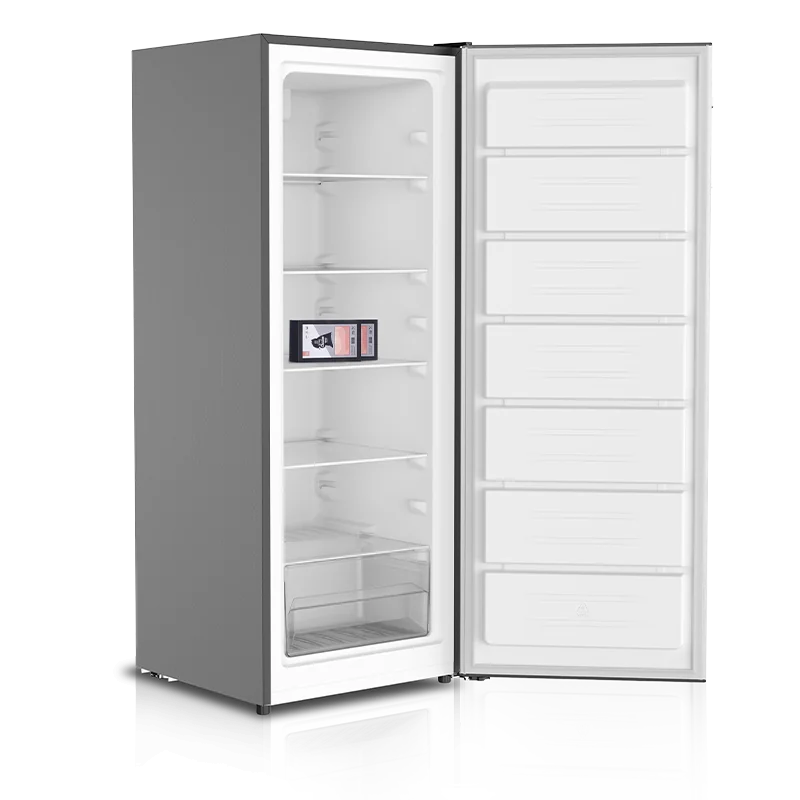
The DD1-26 upright freezer represents this approach through its practical structure, storage capacity, and functional design. Clear product specifications and appropriate maintenance guidance can help users manage frozen food storage more effectively.
Conclusion
Proper freezer maintenance combines regular inspection, safe defrosting procedures, and suitable storage habits. When manual defrosting is required, users should first disconnect the power and remove frozen food to suitable temporary cold storage. Ice should be allowed to melt naturally, while knives, sharp tools, hair dryers, heaters, and other electrical heating equipment should not be used to accelerate the process.
Users should follow the product manual when handling drainage, thoroughly dry the interior before reconnecting the freezer, and allow the appliance to reach an appropriate safe freezing temperature before returning frozen food.
For refrigeration manufacturers, practical product development also requires attention to storage capacity, cooling performance, maintenance, and everyday user needs. Homa Appliances continues to develop refrigeration products and ODM solutions for different household and international market requirements.