












One of the most common questions refrigerator users ask is: how long does it take to defrost a refrigerator? The answer depends on several factors, including refrigerator size, frost accumulation, room temperature, and the type of cooling system used. Traditionally, manual refrigerator defrosting could take anywhere from 4 to 24 hours. However, modern refrigeration technology has significantly improved over the years, reducing frost problems while also focusing on something consumers now care about even more — food freshness preservation.
Today’s refrigerator market is changing rapidly. Consumers no longer focus only on cooling or frost removal. Instead, they expect refrigerators to maintain ingredient freshness longer, improve food organisation, reduce waste, and integrate seamlessly into modern lifestyles.
For appliance wholesalers, distributors, and ODM buyers, understanding these changing consumer priorities is essential for staying competitive in global markets.
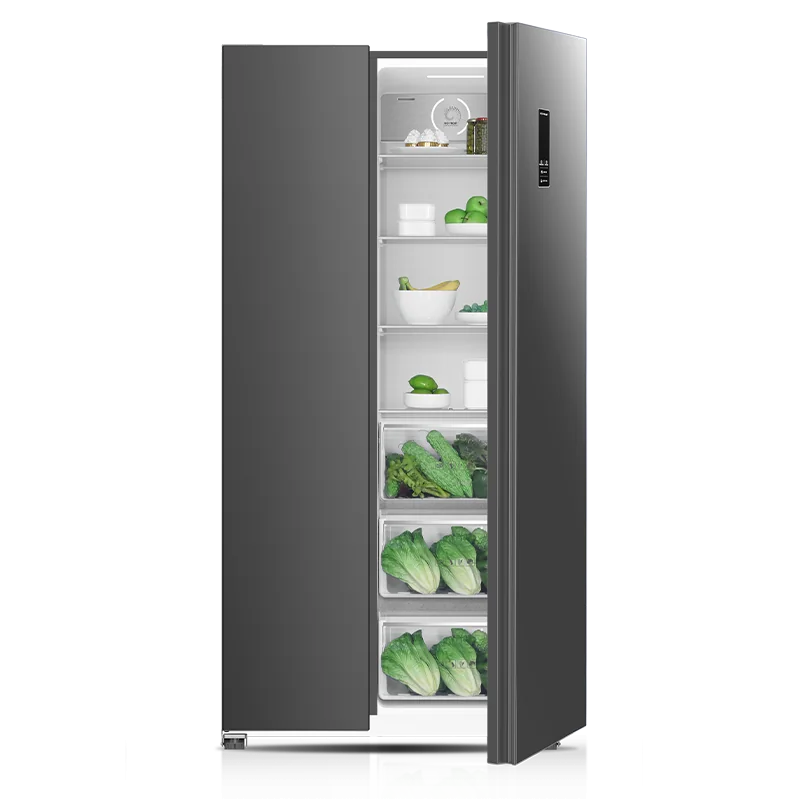
How Refrigerator Defrosting Works
Defrosting removes accumulated ice from the freezer compartment and cooling surfaces inside a refrigerator.
In older refrigeration systems, frost naturally forms when moisture in the air freezes onto evaporator coils over time. As frost thickens, airflow becomes restricted, cooling efficiency decreases, and energy consumption increases.
Manual defrosting typically involves:
- Turning off the refrigerator
- Removing stored food
- Allowing ice to melt naturally
- Cleaning excess water
- Restarting the cooling system
Depending on frost thickness, this process may take several hours or even an entire day.
Modern refrigerators often include automatic frost management systems that reduce manual maintenance. However, even with advanced systems, maintaining proper airflow and efficient temperature control remains extremely important for long-term refrigeration performance.
Why Consumers Now prioritise Freshness Over Defrosting
Although defrost technology remains important, consumer preferences have shifted considerably in recent years.
Today’s buyers care much more about how effectively a refrigerator preserves food freshness.
Several global lifestyle trends are driving this change:
- Families shop less frequently and store food longer
- Consumers want healthier fresh ingredients
- Rising food prices increase concerns about waste
- Modern kitchens emphasize convenience and efficiency
As a result, refrigeration technology now focuses heavily on stable cooling environments that help preserve ingredient quality for extended periods.
Advanced freshness preservation systems can help maintain:
- Vegetable moisture retention
- Fruit texture
- Meat freshness
- Dairy quality
- Overall flavour preservation
This is achieved through technologies such as:
- Multi-airflow cooling
- Humidity management
- Independent cooling circulation
- Stable internal temperature control
- Rapid cooling recovery systems
For many consumers, freshness performance now matters more than simple frost prevention alone.
How Modern Refrigerators Improve Food Preservation
Modern refrigerator engineering has evolved significantly compared with older appliance generations.
Instead of simply cooling air, newer refrigeration systems are designed to create balanced storage environments that reduce temperature fluctuations and maintain ideal humidity conditions.
These improvements help slow moisture loss and bacterial growth, supporting longer food quality under proper storage conditions.
This is especially important in:
- Large family households
- Urban apartments
- Hospitality applications
- Premium residential kitchens
- Modern smart homes
Consumers increasingly view refrigerators as long-term food management systems rather than basic household appliances.
For manufacturers and distributors, this means freshness preservation has become one of the strongest selling points in today’s appliance industry.
Built-In and Compact Refrigeration Trends Continue Growing
Alongside freshness-focused technology, built-in and compact refrigeration solutions are also becoming increasingly popular worldwide.
Modern homeowners prefer refrigerators that combine functionality with elegant kitchen integration.
Built-in refrigerators help create clean, minimalist kitchen layouts while optimising available space. Compact refrigeration systems are especially attractive in urban apartments and smaller residential environments.
These trends are growing rapidly across:
- Europe
- Southeast Asia
- The Middle East
- Latin America
- North American metropolitan areas
For appliance wholesalers and kitchen solution providers, compact refrigeration continues representing a strong commercial opportunity.
Why ODM Manufacturing Matters in the Refrigerator Industry
As global demand diversifies, appliance brands and distributors increasingly rely on ODM manufacturers capable of supporting customised product development.
Different international markets require different:
- Energy standards
- Cabinet dimensions
- Voltage configurations
- Exterior finishes
- Internal storage layouts
- Branding requirements
This makes manufacturing flexibility extremely important.
Homa Appliances has become a major refrigerator manufacturing partner for global distributors, wholesalers, and appliance brands through its large-scale ODM production capabilities.
The company specialises in manufacturing multiple refrigeration categories, including:
- Compact refrigerators
- Built-in refrigerators
- Combi refrigerators
- Side-by-side refrigerators
- Chest freezers
- Beverage coolers
Its international business focuses heavily on ODM cooperation for overseas markets, helping customers develop customised refrigeration products suitable for local consumer demands.
For large-volume buyers, strong manufacturing capability and engineering flexibility are critical advantages in today’s competitive appliance market.
FF and FN Refrigerator Series Focus on Freshness and Modern Design
As consumer demand for advanced food preservation continues growing, premium refrigeration categories such as Combi and SBS refrigerators are becoming increasingly popular.
Homa offers multiple FF and FN series refrigerators designed to meet these modern market expectations.
These refrigerators combine practical storage capacity with advanced freshness-focused technology, including:
- Multi-airflow cooling systems
- Stable temperature management
- Efficient space organisation
- Large-capacity storage
- Energy-saving operation
- Contemporary European-inspired styling
For distributors and ODM buyers, these product lines provide strong opportunities in premium residential appliance markets where consumers prioritise both appearance and freshness performance.
The Future of Refrigeration Is About Smarter Food Preservation
While many consumers still ask how long does it take to defrost a refrigerator, the global appliance industry is clearly moving towards a broader focus on intelligent freshness preservation and user convenience.
Modern refrigerators are no longer defined only by cooling performance or frost management. They are becoming essential lifestyle appliances designed to support healthier eating habits, reduce food waste, and improve kitchen organisation.
For wholesalers, importers, and appliance brands, partnering with experienced ODM refrigerator manufacturers like Homa offers valuable advantages in product customisation, large-scale production, and modern refrigeration innovation.