












Butter is a staple ingredient in many kitchens, valued for its flavor, texture, and versatility. In daily use, proper storage often becomes a practical concern, especially when households or food businesses purchase butter in larger quantities. One common question we often encounter is how long does butter last in the freezer, and the answer depends on several controllable factors related to temperature stability, packaging, and freezer design. Understanding these basics helps reduce food waste and supports safer, more efficient food storage practices.
Factors That Affect Butter Shelf Life in Freezing Conditions
When butter is stored in a freezer at a consistent temperature, its quality can remain stable for an extended period. Freezing slows down oxidation and microbial activity, which are the main causes of spoilage. However, exposure to air and fluctuating temperatures may still affect texture and flavor over time. Proper wrapping using airtight packaging is essential to prevent moisture loss and odor absorption from surrounding foods. In this context, freezer performance plays a role that is often overlooked. Stable internal airflow, even cooling distribution, and controlled humidity can help maintain butter’s original quality during long-term storage without altering its structure.
Cold Storage Principles and Refrigerator Design
Effective food preservation relies not only on freezing temperatures but also on reliable refrigeration systems. At Homa Appliances, we focus on designing cooling solutions that support everyday food management needs through stable temperature control and practical internal layouts. Our experience in refrigerator manufacturing allows us to consider how users store dairy products, including butter, cheese, and milk, across different usage scenarios. A well-organized refrigerator and freezer system helps minimize temperature fluctuations caused by frequent door openings, which is especially relevant for households or commercial users managing multiple food categories at once.
Practical Application with DE1-33 Refrigerator Configuration
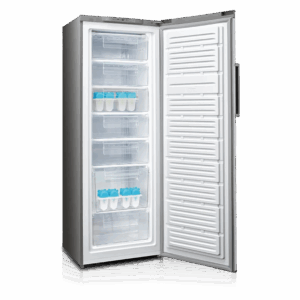
In daily storage scenarios, refrigerator capacity and structure also influence food freshness management. Our DE1-33 model is designed with a total net capacity of 242 liters, fully allocated to fridge storage, making it suitable for users who prioritize fresh and short-term frozen food organization. With dimensions of 170 cm in height, 60 cm in width, and 60 cm in depth, the unit fits standard kitchen layouts while offering sufficient internal space for dairy products stored in controlled conditions. Its internal design supports orderly placement, helping users separate butter and other dairy items from foods with stronger odors, which contributes to better storage outcomes.
Conclusion: Making Informed Storage Choices
Understanding how butter behaves in frozen environments allows users to make informed storage decisions that preserve quality and reduce unnecessary waste. From packaging methods to consistent cooling performance, each detail matters. By combining basic food storage knowledge with thoughtfully designed refrigeration systems, long-term food preservation becomes easier to manage. Our approach emphasizes practical design and reliable cooling performance, supporting users in maintaining food quality through everyday storage habits without unnecessary complexity.