












Hard boiled eggs are convenient to prepare ahead of time. They work well for breakfast, salads, packed lunches and quick meals. However, cooking eggs does not make them suitable for unlimited storage. For anyone planning meals or organising a family refrigerator, the question of how long do hard boiled eggs last in the fridge is a practical one when planning meals and managing prepared food.
At Homa Appliances, we view food preservation as part of practical refrigerator design. Fresh ingredients and prepared foods often share the same appliance, so useful storage areas and an organised interior can make everyday food management easier.
The One-Week Guide for Hard Boiled Eggs
The U.S. Food and Drug Administration (FDA) advises that hard-cooked eggs, whether peeled or left in their shells, should be eaten within one week after cooking. The FDA also recommends keeping refrigerators at 40°F (4°C) or below.
This one-week period is a practical food-safety reference. It does not mean that every egg will remain in exactly the same condition throughout the entire period. Storage temperature and handling also need to be considered.
After cooking, eggs should be refrigerated promptly rather than being left at room temperature for an extended period. The FDA advises refrigerating cooked eggs and other foods that require refrigeration within two hours, or within one hour when temperatures exceed 90°F (32°C).
What Happens After Cooking?
The time between cooking and refrigeration can be easy to overlook. Eggs may be left on the worktop while other dishes are being prepared, but prolonged exposure to room temperature is not recommended.
Once the eggs are ready for storage, they should be placed in the refrigerator. A clean, covered container can help keep prepared eggs separate from other foods and reduce exposure to surrounding odours.
Adding the preparation date to the container can also make food management easier. Rather than relying on memory, users can quickly identify when a batch was cooked and decide when it should be used.
Does Peeling Affect Storage?
Peeled eggs may be more convenient for meal preparation, while keeping them in a covered container can help maintain a clean and organised storage environment. However, peeled eggs are ready to use, so many households may find them easier to portion into meals.
A covered container is useful for either option. It provides a defined space for cooked eggs and helps keep them apart from raw ingredients. This type of organisation can be particularly helpful in a refrigerator containing meat, poultry, vegetables, dairy products and prepared meals.
Food placement therefore deserves some attention. Keeping ready-to-eat foods separated from raw ingredients can make daily food preparation more orderly and support good handling practices.
Where Should Hard Boiled Eggs Be Placed in the Fridge?
Where cooked eggs are placed in the refrigerator can affect how conveniently they can be accessed and managed. Keeping them in a defined storage area makes it easier to distinguish ready-to-eat foods from ingredients that still require cooking.
A suitable position should also allow the container to remain stable and protected from contact with raw foods. This can be useful in a busy household refrigerator where meat, vegetables, dairy products and prepared foods are stored at the same time.
Good placement is therefore part of practical refrigerator organisation. Rather than simply filling available space, arranging cooked foods in a consistent area can make meal preparation more convenient and help users keep track of what is ready to eat.
How Refrigerator Layout Supports Food Storage
Food preservation is not only about how long an ingredient can be stored. Refrigerator layout also affects how conveniently different food categories can be arranged.
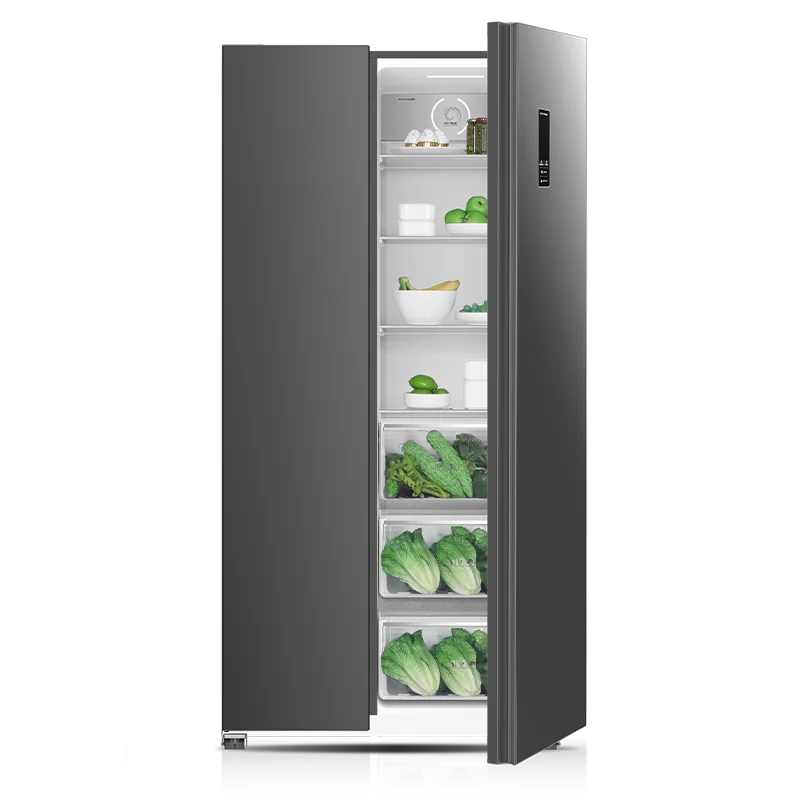
At Homa Appliances, our portfolio includes Combi-No-Frost, Multi-Door, Side-by-Side and other refrigerator formats. These configurations give our partners different options when considering household storage requirements, capacity and internal organisation.
Our Combi range combines refrigerated and frozen storage in one appliance, with practical compartments for different food types. It is designed to support organised everyday food storage while helping keep fresh and frozen ingredients separated. According to our official product information, it includes electronic temperature control, air-flow cooling, two Food Care Drawers and an optional Fresh Zone Box.
A Practical Fresh Food Configuration
Our FF4-48N Multi-Door No-Frost modeloffers another approach to refrigerator organisation. It has a total net capacity of 362 litres, with 237 litres of refrigerator capacity and 125 litres of freezer capacity.
The model includes a convertible crisper/fresh zone and 360° multi-air flow. These features form part of the refrigerator’s overall configuration and provide additional options for arranging different types of food.
Homa Appliances for Global Partners
For international customers, refrigerator selection involves more than capacity. Market preferences, product format, storage configuration and order requirements can all influence the appropriate solution.
At Homa Appliances, we provide refrigeration products for international markets and support overseas customers through ODM cooperation. Our portfolio covers several refrigerator categories, allowing partners to consider different configurations for their target markets.
We also support wholesale and large-volume customised orders. For ODM projects, requirements can be discussed according to the intended market, product positioning and configuration needs.
Hard boiled eggs show how everyday food preservation depends on several simple practices. Prompt refrigeration, suitable temperature and organised storage all contribute to sensible food management. For refrigerator partners, practical internal design can also help consumers manage fresh and prepared foods more conveniently.