












As modern kitchens continue evolving towards cleaner layouts and smarter storage solutions, built-in refrigeration has become one of the fastest-growing appliance categories worldwide. Consumers today are no longer focused only on cooling performance. They also care about kitchen aesthetics, space efficiency, food freshness, and seamless appliance integration.
One of the most common questions asked by homeowners, kitchen designers, and property developers is: how deep is a built in refrigerator?
The answer is more important than many people realise because refrigerator depth directly affects kitchen workflow, cabinet alignment, storage capacity, and the overall visual appearance of the space.
For distributors, appliance wholesalers, and ODM refrigerator buyers, understanding refrigerator depth trends can help identify what international markets are demanding today.
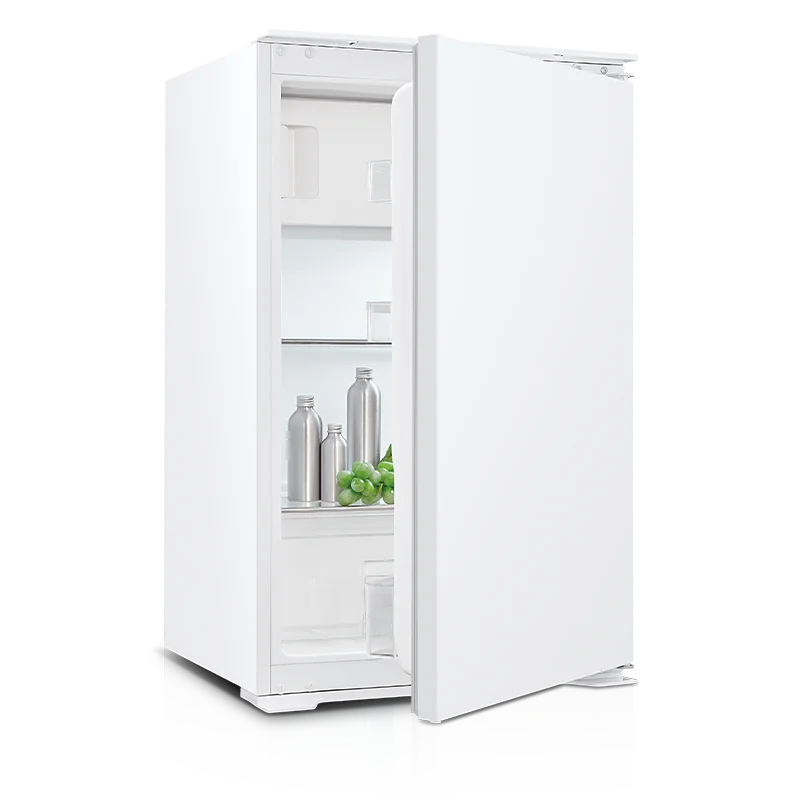
Standard Depth of a Built-In Refrigerator
A built-in refrigerator is designed to fit flush or nearly flush with surrounding kitchen cabinetry. Unlike traditional freestanding refrigerators that often extend noticeably outward, built-in models prioritise integrated appearance and compact functionality.
For integrated built-in refrigerators, the body depth or cabinet cut-out depth is usually specified by the manufacturer and should be checked against the installation drawing. Door panels, handle design, hinge structure and ventilation clearance can all affect the final installed depth.
Counter-depth refrigerators are also popular because they align more closely with standard kitchen countertops, usually around 24 to 26 inches deep.
The purpose of this reduced depth is not simply aesthetic. It also improves kitchen movement efficiency, especially in smaller homes, apartments, and open-concept kitchens where excessive appliance protrusion can interrupt traffic flow.
As urban living spaces become more compact globally, slim-profile refrigeration solutions continue gaining popularity.
Why Refrigerator Depth Matters More Today
Years ago, consumers mainly prioritised total refrigerator capacity. Larger was often considered better. Today, however, purchasing priorities have shifted significantly.
Modern consumers now balance several important factors:
- Kitchen appearance
- Space optimisation
- Food freshness preservation
- Energy efficiency
- Interior organisation
- Convenience of use
Depth plays a major role in all of these areas.
A refrigerator that extends too far beyond cabinetry can visually disrupt minimalist kitchen designs. It may also reduce walking space and make smaller kitchens feel crowded.
Meanwhile, a properly designed built-in refrigerator creates a cleaner and more premium appearance while still maintaining efficient food storage.
For developers and kitchen brands, integrated appliances also increase perceived property value because modern buyers associate built-in designs with luxury and customisation.
Freshness Preservation Is Becoming the Core Selling Point
Another major trend reshaping the refrigerator industry is the growing consumer focus on food freshness.
In the past, many appliance discussions focused heavily on defrost technology. Today, consumers are paying much closer attention to how refrigerators preserve vegetables, fruits, dairy products, and fresh ingredients for longer periods.
This shift is influencing refrigerator engineering worldwide.
Advanced freshness preservation systems now commonly include:
- Multi-airflow cooling
- Stable temperature control
- Humidity-balanced compartments
- Independent cooling circulation
- Fast cooling recovery
- Precision airflow management
These technologies help maintain ingredient quality while reducing moisture loss and food spoilage.
For families shopping less frequently but storing food longer, freshness performance has become extremely important. Consumers increasingly expect refrigerators to support healthier lifestyles and reduce food waste.
As a result, manufacturers developing built-in refrigerators must balance slim exterior dimensions with highly efficient internal preservation systems.
Compact Built-In Refrigerators Are Expanding Globally
Compact built-in refrigeration solutions are now widely used across multiple industries and property types.
Common applications include:
- Urban apartments
- Luxury residences
- Office kitchens
- Hotels
- Student housing
- Vacation apartments
- Modern condominiums
The demand is especially strong in Europe and increasingly growing across Southeast Asia, the Middle East, and Latin America.
For appliance distributors and wholesalers, this trend creates strong opportunities for customised refrigeration projects tailored to regional market preferences.
Built-in refrigeration is no longer limited to luxury consumers alone. Improved manufacturing capabilities now allow broader market adoption across mid-range residential projects as well.
Why ODM Buyers Need Strong Refrigerator Manufacturing Partners
For international buyers, choosing a reliable refrigerator manufacturer requires confidence in product quality, industry experience, and global market capability. A manufacturer with a strong track record can provide greater assurance in terms of product performance, production consistency, and long-term cooperation.
With more than 20 years of experience in refrigeration manufacturing, Homa Appliances has developed extensive expertise in producing refrigeration solutions for overseas markets. The company has built a diverse product portfolio covering built-in refrigerators, slot-in refrigerators, Combi refrigerators, Side-by-Side refrigerators, Multi-Door refrigerators, and Chest-Freezers to meet different market requirements.
Homa follows strict quality management procedures throughout product development and manufacturing, with products designed to meet international market standards and customer expectations. Its focus on reliable performance, energy efficiency, and modern food preservation technology enables the company to serve a wide range of residential and commercial applications worldwide.
By combining long-standing refrigeration expertise, a comprehensive product range, and strong manufacturing capabilities, Homa Appliances continues to provide dependable refrigeration solutions for global distributors, retailers, and appliance partners.
Built-in Refrigerators for Modern Kitchen Design
For homeowners who value a seamless kitchen appearance, Homa’s built-in refrigerator range offers a practical combination of modern design and reliable food preservation. Models such as FD2-33.BI, FD2-32.BI, DF2-29.BI and DE2-34.BI are designed to integrate neatly with kitchen cabinetry while providing the storage capacity and cooling performance required for everyday use.
These built-in refrigerators feature well-organised storage compartments, efficient cooling systems and a clean, integrated appearance that suits contemporary homes. By maximising kitchen space without compromising on freshness, they provide a convenient solution for families looking for both functionality and style.
For distributors and ODM partners, Homa’s built-in refrigerator range offers an attractive option for the growing demand for integrated kitchen appliances in residential markets.
The Future of Built-In Refrigeration
As kitchens continue evolving, built-in refrigerators are becoming increasingly important in modern home design. Understanding refrigerator depth reflects broader trends in space efficiency, aesthetics, and food preservation, as consumers seek appliances that combine style with practical functionality.
For wholesalers, developers, and appliance brands, partnering with experienced ODM refrigerator manufacturers like Homa Appliances can provide valuable advantages in an increasingly competitive global appliance industry.