











Listen to the audio version of this article. Duration: 12 minutes.
Join us in a compelling conversation with Milka Eskola, Vice President Art & Design at Legrand-BTicino, who leads a global team shaping the future of smart home solutions. Speaking to DM, she reflects on the importance of flexibility in design leadership, the challenges of merging business and innovation, and how her philosophy, rooted in everyday life, guides her vision. From her Finnish origins to her experiences in Italy, France, and beyond, Eskola shares her unique perspective on how design can improve lives.
Your role places you at the intersection of design, technology, and business. How do you integrate design thinking with business growth, and what are the biggest challenges in innovating within such a fast-evolving industry?
Design is at the core of what we do, but it doesn’t exist in isolation. It has to serve a purpose, align with market needs, and push boundaries without becoming disconnected from reality. The challenge here is keeping that balance between aesthetics and usability, between innovation and feasibility, so we work in multidisciplinary teams from the start. When a project introduces a new feature, we don’t just think about form, we involve marketing, engineers, and external experts: architects, electricians, end users. The goal is to adopt a shared vision that ensures smoother execution. Good design isn’t about isolated creativity for its own sake, it’s about creating solutions that make sense from every angle.
One of the biggest challenges in innovation is the pace at which technology evolves. We are designing products for homes that will last for decades, yet the technology inside them can change within a few years. How do you future-proof design? How do you ensure that something remains relevant in an industry where everything moves so fast? That’s where human-centred design thinking becomes crucial. It’s not just about what technology can do, but about how people actually want to live with that technology over time.
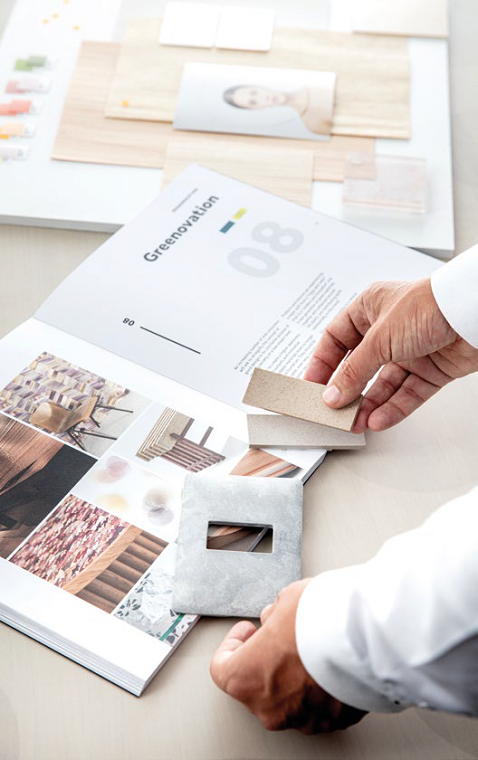
In search for new circular materials that match with modern trends.
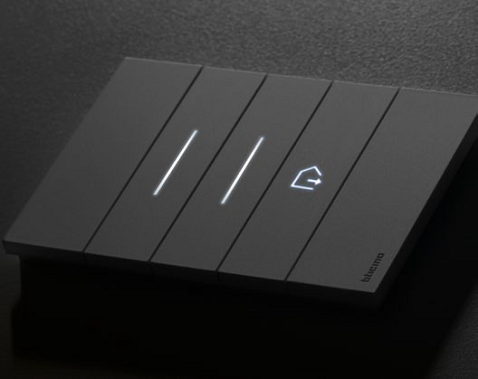
Living Now smart controls transform traditional light switches into an interface for the home.
“It’s about enabling [designers] to bring their best ideas to the table.”
You lead a global design team within a large and diverse organisation. How would you define your strategic approach to design leadership?
Flexibility is the key. In a company like ours, change is constant: business grows, acquisitions happen, and new challenges emerge. I don’t believe in rigid guidelines or imposing a one-sizefits- all design language. Instead, I focus on defining a vision, a clear purpose that serves as a guide but allows room for interpretation.
With teams in France, Italy, the US, India, and China, leadership isn’t about dictating how things should be done, it’s about enabling people to bring their best ideas to the table. We don’t all think or work the same way, and that’s a strength. The goal is to embrace different perspectives and turn diversity into a competitive advantage. Building a culture of trust and autonomy is fundamental. My role is not to micromanage but to create the conditions in which people can thrive. That means ensuring alignment on overall objectives while allowing enough creative freedom for teams to explore their own approaches. I believe in empowering designers to make decisions. When people feel a sense of ownership, the results are always stronger.
“Balance between innovation and familiarity is crucial.”
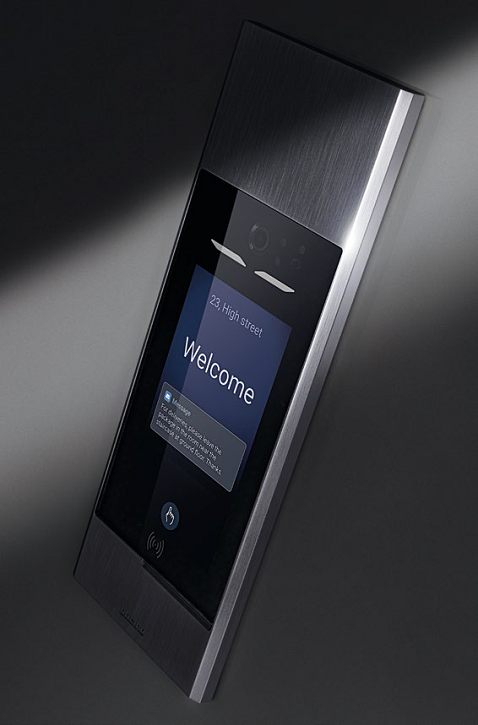
Linea5000, a digital door-entry panel with traditional wiring. A perfect combination of tradition meeting modern needs.
Projects like Living Now have redefined the relationship between aesthetics and technology in smart homes. What were the key elements behind its success, and how do these principles shape future developments?
Timing, commitment, and execution. Living Now challenged conventions, making home automation accessible without needing complex rewiring. At the same time, it maintained a human-centred design approach, blending into interiors rather than overwhelming them with visible technology.
The balance between innovation and familiarity was crucial. Whether it’s an architect designing a modern space or a homeowner looking for ease of use, they both need to feel comfortable with the product. Smart design isn’t about forcing new behaviours, it’s about making innovation feel natural and intuitive.
A major success factor was understanding how people interact with their living spaces. The best design solutions are not just about technology but about daily habits. Light switches are a perfect example. We take them for granted, yet they shape how we interact with our homes daily. A design like Living Now introduces new functionalities while respecting established behaviours. It’s about enhancing, not disrupting, the way people live.
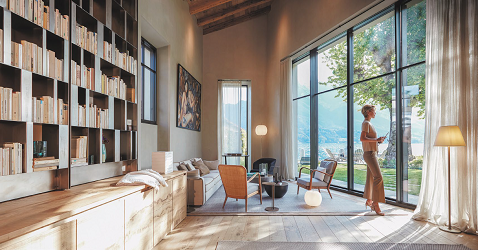
In a modern home, technology does not need to stand out and shout its presence. It is perfectly integrated with interior elements.
“AI lacks the emotional intelligence needed for truly great design”
What is your vision for AI in this space, and how can design improve its integration?
Right now, AI is a powerful support tool, but it’s not a substitute for human intuition. It’s fantastic for processing data, suggesting ideas, and automating repetitive tasks. But it lacks the emotional intelligence needed for truly great design.
We don’t use AI for the sake of it. It has to add value. Currently, it’s useful for ideation and problem-solving, but final execution still requires human expertise. AI can help us design smarter, but it’s human creativity that makes a product truly resonate.
There’s potential for AI to play a role in predictive behaviour, learning user preferences over time and simplifying their routines. But that only works if users trust it. And trust comes from transparency and consistency. People need to feel that they are still in control of their environment, even as technology adapts to them. That’s a delicate balance which design must carefully manage.
Security is a growing concern in smart homes, from physical protection to cybersecurity. How does this influence your design strategy, and what innovations are emerging in this area?
Security should never be an afterthought. We design with privacy and protection in mind, ensuring users feel in control of their environment. That means intuitive interfaces, clear settings, and encrypted communications.
We’re also seeing innovations in biometric access, smart surveillance, and automated threat detection, all designed to make security seamless, and not stressful.
When users understand the system and feel empowered to manage their own settings, their experience is more positive. It’s about creating confidence through design, reassurance through simplicity. A secure experience shouldn’t feel like a compromise or an inconvenience.
“The industry needs to prioritise interoperability and focus on creating experiences that just work.”
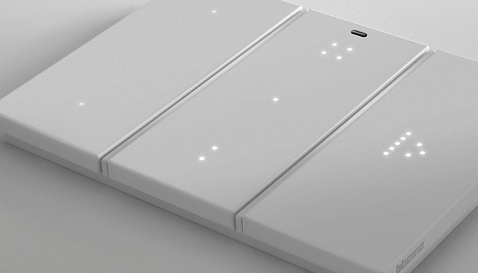
With Living Now Digital Controls, the interface wakes up when approached.
Interoperability is a major challenge. What are your thoughts on the “Matter” standard, and do you think it will be a turning point for smart home integration?
Matter is a step in the right direction. It’s designed to break barriers between brands and allow devices to communicate. That’s essential, but it’s only the beginning. The real challenge is making smart home technology so intuitive and effortless that people don’t even think about compatibility anymore. That’s when we’ll see mass adoption.
It’s not just about getting devices to talk to each other; it’s about getting them to cooperate in a meaningful way. Interoperability should feel invisible to the user. Matter gives us the infrastructure, but it’s design that will shape the experience.
Smart home adoption varies globally. From your perspective, what are the biggest barriers to wider adoption, and how can design help overcome them?
Complexity. Too many smart home systems require technical knowledge, making adoption slower. The key is intuitive design and seamless integration. People don’t want ten different apps to control their home. The industry needs to prioritise interoperability and focus on creating experiences that just work.
Design has the power to lower the entry barrier. Simplicity in interaction, coherence in ecosystem, and visibility of function all play a role. When a smart home feels approachable, even to someone who’s never used one before, adoption increases. Familiarity breeds confidence.
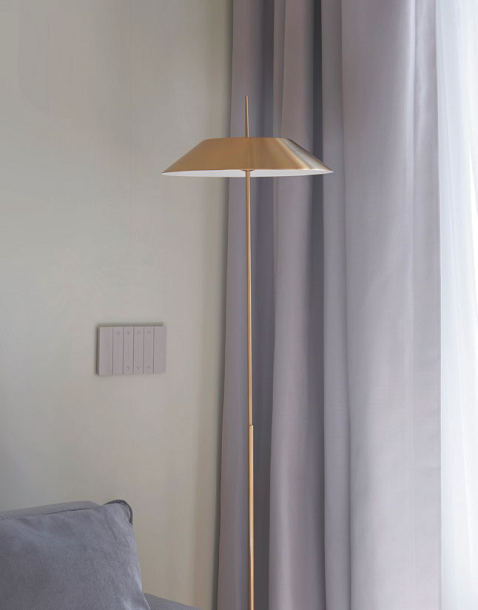
Integration with interior design elements is part of the success of Living Now
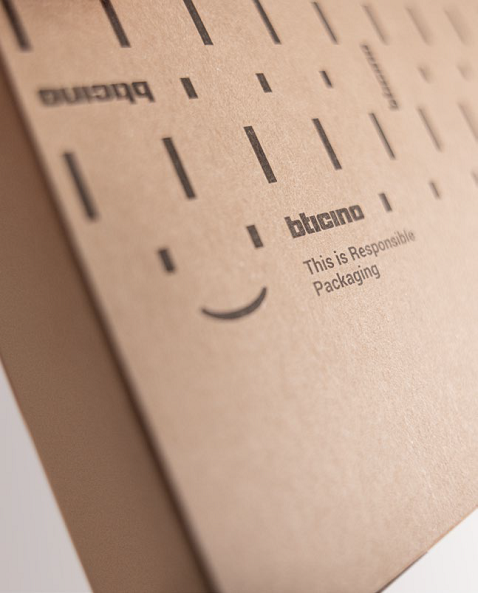
Sustainable design does not stop at the product level, it is about the whole experience including manufacturing processes and packaging
Looking ahead, what are the key trends that will redefine smart living in the coming years?
We’re shifting from smart devices to smart experiences. Users want effortless interaction, where technology adapts to their routines rather than forcing them to learn new behaviours. I also see a return to tactility, blending digital and physical interfaces for a more natural interaction.
There’s growing interest in sustainability-driven design choices, not just in materials but in energy use and lifecycle impact. People want technology that aligns with their values, and they want it to be beautiful. We’ll see more and more of this convergence between ethics, aesthetics, and utility.
“I see a return to tactility, blending digital and physical interfaces for a more natural interaction.”
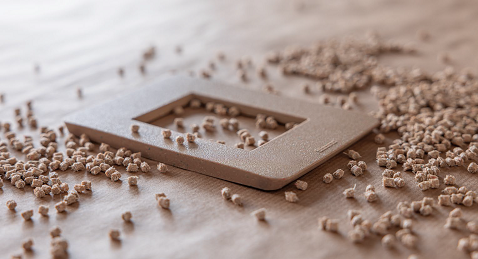
MatixGo introduced a 100% bio-based material, reflecting on the need for continuous innovation on materials.
What are the biggest challenges ahead in making smart homes truly integrated, intuitive, and sustainable? What aspects of design and innovation are you focusing on to take the industry to the next level?
The challenge is making smart homes feel like home, not a collection of disconnected gadgets. We’re focusing on seamless user experiences, meaningful automation, and sustainable design choices.
We want to move beyond control panels and apps into ambient, context-aware systems that respond to behaviour and emotion, not just commands. But we have to get the basics right first: reliability, safety, ease of use. These are non-negotiable.
Also, a shift in mindset is happening. We’re not just designing for individuals, we’re designing for communities, for different generations, for dynamic households. This changing mindset opens up new possibilities, but also new responsibilities. Our goal is to design a future where technology truly serves people, not the other way around.
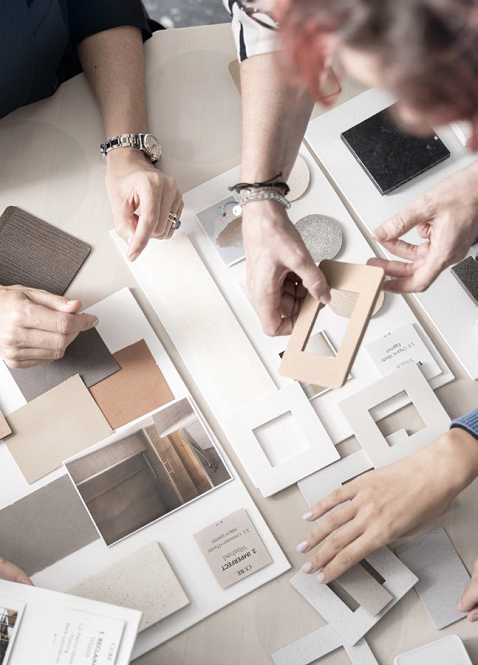
Collaborative workshops are at the heart of our design processes and guarantee success for all users.
“We’re designing for communities, for different generations, and dynamic households.”
Bio
An internationally recognised Finnish designer, Milka Eskola is Vice President of Art & Design at Legrand, where she leads global teams in shaping inclusive, sustainable smart home experiences. A graduate of the Lahti Institute of Design in Finland and the Art Center College of Design in Pasadena, California, she brings over 20 years of international experience across companies like Nokia, IKEA and Whirlpool. Her work has earned prestigious honours, including an Honourable Mention at the Compasso d’Oro ADI Award and multiple iF Design Awards. In 2025, she also served as a juror for the iF Design Award, underlining her standing in the global design community. At Legrand, she champions inclusive, sustainable design that quietly integrates technology into everyday life, combining Nordic clarity with global sensitivity.
Copyright © Homa 2026
All rights reserved